Choosing Summer or Winter in North Iceland

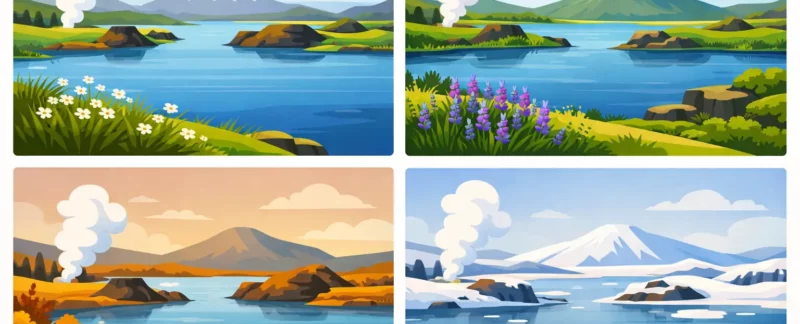
At Lake Mývatn in June, the evening can feel like it has forgotten to arrive. In January, that same landscape may be blue with snow beneath a short, soft day. Choosing summer or winter in North Iceland is not simply a question of temperature. It changes what roads are possible, how long you can be outdoors, which landscapes you can reach, and what kind of memories you bring home.

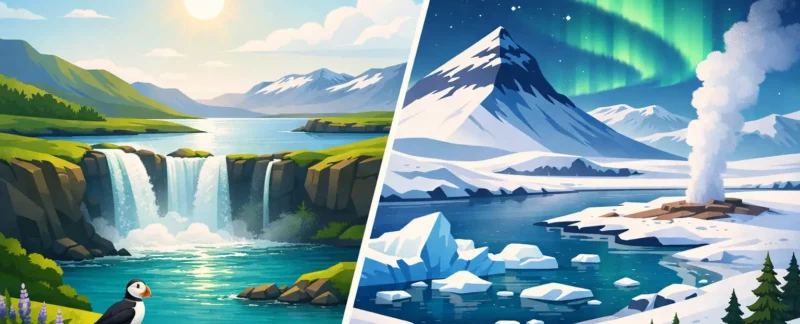
Neither season is automatically better. Summer gives you distance, daylight, and access. Winter gives you atmosphere, snow-covered geology, and a real chance to see the Northern Lights. The right choice depends on whether you want to cover ground, take photographs in dramatic conditions, travel with children or older family members, or slow down and let the weather set the pace.

Choosing Summer or Winter in North Iceland

North Iceland is a large region with a lot of variety. The gentle green around Eyjafjörður, the volcanic country around Mývatn, the waterfalls of the Diamond Circle, and the remote highlands do not behave the same way across the year. A good itinerary starts with your priorities, then respects the season rather than fighting it.

Summer usually means late May through September, with the longest days around June and July. Winter travel is generally most reliable from late October into March, though snow and ice can arrive earlier and remain later. April, May, September, and October sit in between, offering their own advantages and a little more uncertainty.

Summer is for long days and wider access

If your wish list includes Askja, mountain roads, long scenic drives, nesting birdlife, or a full day combining several distant sights, summer is usually the sensible choice. The highland routes open only after the snow has melted and the ground has dried enough to handle traffic. Their opening dates vary every year, so a planned summer trip still needs flexibility.

The midnight sun is more useful than it sounds on paper. You are not limited to a narrow sightseeing window. A waterfall can be quiet at 9 p.m., a walk can happen after dinner, and photographers can work in low, warm-looking light without waking at an unreasonable hour. Families often appreciate this too, because a private day can move at a comfortable pace with time for breaks rather than rushing from one stop to the next.

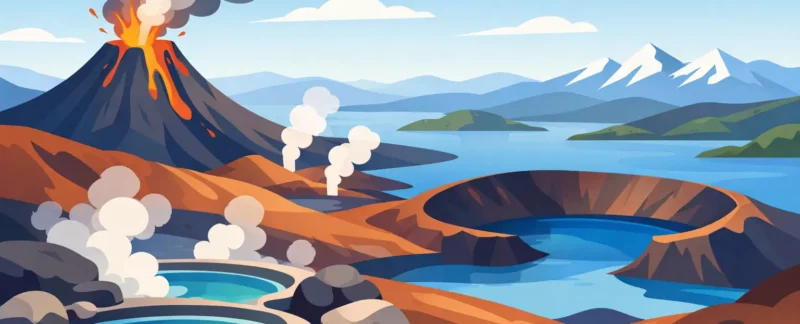
Summer also makes the volcanic landscapes easier to read. At Hverir, steam rises from bare earth in shades of ocher and rust. Around Mývatn, green vegetation, lava formations, and bright water create a very different scene from the winter palette. Puffins and other summer birdlife may be part of a coastal route, while the valleys are at their most open and inviting for walking.

There are trade-offs. The most famous stops can be busier in July and August, especially in the middle of the day. Around Lake Mývatn, small insects can be persistent on warm, still days. Summer weather is also Icelandic weather: rain, wind, and sudden low cloud are possible even when the forecast looked promising the night before. Bring layers and waterproof outer clothing, not just a light jacket because the calendar says July.

Winter is for snow, stillness, and dark skies

Winter in North Iceland has a special clarity. Snow simplifies the view, dark lava turns graphic against white fields, and frozen edges form around waterfalls and streams. On a clear night away from town lights, the sky can become the main event.

The Northern Lights are a reason many visitors choose winter, but they should never be treated as guaranteed. You need darkness, a sufficiently active aurora, and clear or partly clear sky in the right place at the right time. The weather often decides the evening. A flexible private plan is valuable here because it allows the route to respond to cloud cover rather than following a fixed schedule.

Daylight is short from November through January. That does not mean there is nothing to do. It means you should plan differently. A well-paced day might focus on a few excellent places – a waterfall, geothermal area, scenic lake view, and local stop – instead of trying to tick off every landmark. The low winter sun can be beautiful for photography, but it appears briefly and often stays behind cloud, so patience is part of the experience.

Road travel requires more care in winter. Main routes and key roads are maintained, but conditions can change quickly with wind, drifting snow, freezing rain, or poor visibility. Remote roads and highland routes are closed. Visitors who are not used to driving on ice often enjoy winter far more when someone else handles the conditions and the route decisions. It leaves you free to look out the window instead of watching every patch of road.

Winter is not always brutally cold. Coastal North Iceland can be milder than many American visitors expect, though wind makes a major difference. Warm base layers, insulated outer layers, gloves, a hat, and sturdy waterproof boots matter more than bringing one enormous coat. The ground can be icy even on a calm, clear day.

The Shoulder Seasons Offer a Different Kind of Trip

September and October can be especially appealing for travelers who want autumn color, fewer visitors, and the possibility of dark enough skies for Northern Lights viewing. There is still reasonable daylight in September, though the highlands begin to close as conditions change. By October, winter driving conditions are increasingly possible.

April and May are seasons of transition. Snow can remain in the hills while roads are opening and days become much longer. Waterfalls are powerful with meltwater, migratory birds return, and the landscape feels as if it is waking up. These months can offer a quieter trip, but they reward travelers who are happy to adapt. A route that works beautifully one week may be difficult the next because of snow, wind, or road conditions.

If a particular place is the heart of your trip, choose the season around it. For Askja and deep highland landscapes, aim for the established summer road season. For aurora hunting and snowy scenes around Mývatn, choose winter. For a broad mix of driving, waterfalls, and daylight without peak summer crowds, early fall or late spring can be an excellent compromise.

Match the Season to Your Travel Style

Couples planning a photography-focused trip often have a clear choice. Summer offers expansive access, long shooting windows, and colorful landscapes. Winter offers stronger contrast, changing light, and the possibility of aurora images. If photography is the priority, it is worth building extra time into the itinerary for weather rather than trying to force a long list of stops.

Families and multigenerational groups often find summer easier because days are long, roads are generally simpler, and there are more options if someone needs a slower pace. That said, a winter day can be wonderful for a family that prefers a few memorable experiences over constant movement. A snow-covered waterfall, geothermal steam, and a warm break can be more enjoyable than an ambitious drive.

Independent travelers sometimes choose summer because they want maximum freedom, while winter appeals to those looking for a quieter and more dramatic Iceland. Both can work well. The key is being honest about comfort with changing weather and road conditions. North Iceland rewards curiosity, but it does not reward a rigid plan.

Let Local Conditions Shape the Day

The best season is the one that fits your expectations, but the best day is the one that responds to the actual conditions. A clear winter evening may shift the focus toward the sky. Heavy summer rain may make waterfalls extraordinary while hiding a mountain view. Knowing an alternate valley, a sheltered stop, or the right direction to drive can make the difference between a disappointing forecast and a memorable day.

That is the value of traveling with a local guide on a private tour. At Kip, each day can be adjusted to the group, the weather, road conditions, and what interests you most – geology, stories, quiet landscapes, photography, or simply a comfortable way to see more of the region.

Come in summer if you want North Iceland to feel open and endless. Come in winter if you want it to feel intimate, elemental, and a little mysterious. Either way, leave room in your plans for the weather to surprise you. In this part of Iceland, that is often when the best moments happen.
Posted in kip

How to Choose a Private Guide for Iceland

A private guide can turn a day that looks good on a map into one you genuinely remember: the right stop when the light changes, a quiet road instead of a crowded parking lot, and a story that gives the landscape meaning. Knowing how to choose a private guide is less about finding the longest list of sights and more about finding the person you will be comfortable traveling with when Icelandic weather has other ideas.

Start with the kind of day you actually want

Before comparing guides, decide what you want your day to feel like. A couple hoping for time at waterfalls and geothermal areas has different needs from a family traveling with children, a photographer chasing winter light, or a returning visitor looking for less-traveled valleys.

Be specific about your priorities. Do you want a relaxed pace with short walks? Are you happy to change plans for better weather? Is geology, local history, birdlife, food, or photography the reason you chose North Iceland? A good private guide can shape an itinerary around those answers, but only if they know them early.

Private does not automatically mean completely unstructured. The best days usually have a clear plan, with room to adjust. There may be a particular waterfall, canyon, or viewpoint you do not want to miss, while the order of the stops remains flexible. That balance gives you direction without turning the day into a race.

How to choose a private guide with real local knowledge

Local knowledge is more than being able to name every mountain. It is knowing which road is comfortable in a particular season, when a popular place is likely to be quiet, which route has the better views in low cloud, and when conditions make a change of plan sensible.

Ask a prospective guide where they are based and how often they work in the region you want to explore. Someone who guides regularly around Lake Mývatn, the Diamond Circle, or the mountain roads of the northeast will understand the practical details that are easy to miss while researching from home. They may know why a lava field looks the way it does, where a farm valley got its name, or how a changing wind can affect a coastal route.

A guide does not need to be born locally to be excellent. Formal training, years of experience, and a curious mind matter greatly. Still, there is a special value in a guide whose connection to an area is long-standing and personal. Their recommendations tend to come with context rather than a rehearsed script.

Look for specificity in their communication. “We can visit the highlights” is not as useful as an explanation of what the day could include, what driving is involved, and what may change with the season. A thoughtful guide will not promise access or conditions they cannot control.

Check credentials, safety, and vehicle suitability

Iceland is welcoming, but it is not a place to treat weather, road conditions, or distance casually. Your guide should be open about their qualifications, driving experience, safety approach, and the type of vehicle used for your trip.

Certified guiding credentials are a reassuring sign, particularly when you want interpretation as well as transportation. They indicate training in guiding practice, visitor care, and the responsibilities that come with leading people outdoors. For remote trips, ask how the guide assesses conditions and what happens if a planned route is not suitable on the day.

Vehicle choice should match the itinerary, season, and your comfort. A day on paved roads calls for something different from a trip that involves rough tracks or highland terrain. If mobility is a consideration, ask about step height, walking distances, uneven ground, and how much time will be spent in the vehicle. These are ordinary questions, and a professional guide will welcome them.

Safety does not mean a joyless day with no spontaneity. It means your guide has the judgment to say no to a risky plan and the experience to offer a worthwhile alternative. Often, the best memory comes from the backup plan: a sheltered hot drink, a dramatic coast in changing weather, or a hidden viewpoint that suits the conditions better than the original stop.

Pay attention to communication before you book

The booking conversation is a useful preview of the tour itself. Is the guide answering your actual questions, or sending a generic message? Do they ask about your interests, where you are staying, your group size, dietary needs, and any accessibility concerns? Clear, friendly communication is especially valuable when you are organizing a trip from another country.

You should understand what is included, where the tour begins, approximately how long the day will be, and what you should bring. It is also helpful to know how weather-related changes are handled. Icelandic conditions can shift quickly, and certainty is not always possible. What matters is whether the guide communicates honestly and makes sound decisions.

Direct contact with the person leading your day has a real advantage. You can share your preferences without messages passing through several layers, and the guide can begin tailoring the experience before you arrive. At Kip, guests communicate directly with certified local guide Kristinn Ingi Pétursson, which makes those small but meaningful adjustments easier to arrange.

Choose the right pace, not the fullest itinerary

A packed itinerary can sound impressive, especially when your time in Iceland is limited. Yet the number of stops is rarely the best measure of a private day. If every viewpoint is followed by a hurried return to the vehicle, there is little room to absorb the place or respond to an unexpected moment.

Ask how much time is planned for driving, walking, photography, meals, and weather delays. A guide who suggests fewer locations may be protecting the quality of the experience, not offering less. This is particularly true in winter, when daylight is limited, and on longer routes where road conditions can affect timing.

Your own travel style matters here. Some guests enjoy a full day with a lot of ground covered. Others prefer a slow morning around volcanic landscapes, a good lunch break, and time to watch birds or take photographs without feeling rushed. There is no correct pace, only the pace that fits your group.

For photographers, ask different questions

If photography is a major purpose of the trip, tell the guide what you shoot and how you work. Landscape photographers may prioritize light, foregrounds, and time at a few carefully chosen locations. Wildlife photographers may need patience and flexibility. Northern Lights outings require realistic expectations, because no guide can guarantee a natural display.

A strong photo guide understands that the best location is not always the most famous one. They will also be honest when clouds, wind, or road conditions make a particular plan unlikely to work. That honesty saves time and helps you make the most of the opportunities that do appear.

Look for warmth and professional boundaries

A private guide is your host for many hours, often in close quarters. You should feel welcome to ask questions, change your mind, take a break, or admit that a walk is more difficult than expected. The right guide is attentive without being overbearing and knowledgeable without making the day feel like a lecture.

Read guest feedback with a practical eye. Repeated comments about flexibility, kindness, clear explanations, safe driving, and thoughtful planning are more revealing than broad praise alone. Notice whether former guests mention groups similar to yours: families, older travelers, solo visitors, or people with special interests.

At the same time, do not expect a guide to agree to every request. Professional boundaries are part of good hosting. A guide who explains why a route is unsafe, why a timing request will not work, or why a sensitive area should be treated carefully is looking after both you and the landscape.

A few questions worth asking

Before you decide, make sure you can comfortably ask about the guide’s experience in your chosen area, the likely pace and walking involved, the vehicle and seasonal route conditions, and how the itinerary may change with weather. Also ask what makes the guide think the day will suit your interests. Their answer should sound personal, practical, and realistic.

The right private guide will not simply take you to North Iceland’s well-known places. They will help you notice what makes those places worth visiting, while leaving enough room for the day to become your own. Choose someone whose knowledge gives you confidence, whose communication puts you at ease, and whose idea of a good day sounds much like yours.

Posted in kip

Can You Visit Mývatn in Winter? Yes, With Care

The answer to can you visit Mývatn in winter is yes, and it can be one of the most memorable times to see the area. Snow softens the lava fields, steam rises visibly from geothermal ground, and the summer crowds are gone. But winter here asks for flexibility. A beautiful plan can change with a forecast, a road closure, or wind that makes a short walk feel much longer than expected.

Mývatn is not a place to rush through in winter. Give it time, dress properly, and treat the conditions as part of the experience rather than an inconvenience. On the right day, the landscape feels quiet, dramatic, and very much alive.

What winter in Mývatn is really like

Winter usually brings snow, ice, limited daylight, and rapidly changing weather. From roughly late November through January, daylight is short, although there is often a long blue twilight before and after the sun is above the horizon. By February and March, the days are noticeably longer, which makes sightseeing easier while keeping the winter scenery.

Temperatures are often near freezing rather than extremely cold, but wind changes everything. A calm day at 30 F can feel comfortable with good layers. A windy day at the same temperature can feel sharp on exposed viewpoints around the lake. The ground may also be icy even when roads look clear.

The lake itself may be partly frozen, open in places, or covered by drifting snow. Geothermal areas nearby create their own weather: warm steam, wet paths, and slippery patches where meltwater refreezes. It is a remarkable contrast, but it is one reason sensible footwear matters more here than looking ready for a city break.

Can you visit Mývatn in winter independently?

You can, provided you are comfortable making decisions based on road and weather conditions. The main roads through the region are maintained, but maintenance does not mean bare pavement. You may encounter packed snow, black ice, blowing snow, poor visibility, or temporary closures. Conditions can be easy in the morning and very different by afternoon.

A rental vehicle with proper winter tires is essential. Four-wheel drive can be useful, especially when snow is fresh, but it does not make a car immune to ice or wind. Driving slowly, leaving generous space, and being willing to turn around are much more valuable than confidence in a vehicle.

Independent travel works best for visitors who can keep their itinerary loose. Do not plan a long chain of stops that depends on arriving at each one at an exact time. Choose a few priorities, check conditions before setting out, and accept that the best route for the day may not be the one you pictured at home.

For many guests, a private guided day is simply a more relaxed way to experience the area. A local guide can assess the day as it develops, choose roads and stops that make sense, and adjust the pace for mobility, photography, daylight, and weather. That means less time wondering whether a road is sensible and more time looking at the landscape.

Winter sights worth building a day around

Mývatn has enough to fill a winter day without trying to see every landmark. The best stops depend on wind direction, snow cover, and how much daylight is available.

Geothermal landscapes

Hverir is one of the region’s most striking winter stops. Its mud pots, fumaroles, and colorful earth are visible all year, but the steam becomes especially dramatic against snow and low winter light. Stay on marked paths. The ground is fragile, hot in places, and can be slippery around the edges.

The Krafla area can also be beautiful, though access and walking conditions vary. Snow can hide uneven lava terrain, and a route that feels straightforward in summer may require more caution in winter. This is where local judgment is useful: sometimes the best experience is a short, safe walk with excellent light rather than forcing a longer route.

Lava formations and lake views

Dimmuborgir is often magical after fresh snow. The dark lava formations look larger and more sculptural, and the forested trails can feel wonderfully still. Some paths may be packed down while others are difficult to follow, so choose according to conditions and your footing. Microspikes can be helpful, particularly after thaw-and-freeze cycles.

The pseudocraters at Skútustaðagígar are another worthwhile stop when visibility is good. They offer broad views across the lake and an easy way to understand how volcanic activity shaped this landscape. In strong wind, however, the exposed shoreline can be unpleasant. Winter travel is full of these trade-offs: a famous viewpoint is not always the right choice on a particular day.

Waterfalls and nearby valleys

Depending on the weather and road conditions, waterfalls in the wider region can be excellent winter additions. Frozen edges, open water, and low angled light make familiar falls look completely different. Some locations are accessible on a normal winter day, while others are better saved for a day with stable conditions and enough time.

Do not judge a winter waterfall stop by a photograph alone. The approach may be icy, the wind can be strong, and daylight disappears quickly. A guide who knows the local roads can help match the route to the actual day rather than an idealized schedule.

How to dress for a winter day out

Warm clothing is not about wearing one enormous coat. It is about layers that keep you dry and allow you to adjust as you move between a heated vehicle, a windy viewpoint, and a geothermal area.

Start with a warm base layer, add an insulating midlayer, and wear a windproof, waterproof outer shell. Insulated waterproof boots with good tread are far more useful than fashionable boots. Bring warm socks, gloves or mittens, a hat that covers your ears, and a neck gaiter. Spare gloves are a small luxury that can make a big difference if the first pair gets wet.

If photography is a priority, use gloves that let you operate your camera and keep a simple cloth handy for moisture. Cold drains batteries quickly, so carry a spare battery close to your body. In winter, the best photographs often come from waiting patiently for a break in cloud or a shaft of light, not from trying to cover the most ground.

Northern Lights: possible, never promised

Winter brings dark skies, so Mývatn can be an excellent area for seeing the Northern Lights. The key word is can. Aurora viewing requires darkness, enough solar activity, and clear or partly clear skies in the right place. No guide, forecast, or app can guarantee all three.

The good news is that the region has wide open horizons and relatively little light pollution once you are away from populated areas. The less convenient truth is that weather moves quickly. A cloudy evening can open unexpectedly, and a clear forecast can close in. Keep expectations open, and regard an aurora outing as time spent in a beautiful winter landscape with the possibility of something extraordinary overhead.

When should you go?

December and January offer the deepest winter atmosphere and the shortest days. This can suit travelers who enjoy moody light, quiet roads, and a slower pace. February and March often provide a practical balance: more daylight, continued snow cover, and good opportunities for both daytime touring and evening sky watching.

There is no single best month for everyone. Photographers may prefer the low light of midwinter. Families and first-time winter visitors may appreciate longer days later in the season. Travelers with a fixed itinerary should leave room for weather changes regardless of the month.

A winter visit to Mývatn rewards the traveler who stays curious and flexible. Come prepared for snow, wind, and plans that may shift. Then let the day lead you to the steaming earth, the quiet lava, and the wide white views that make this part of North Iceland feel so special.

Posted in kip

How to Explore Myvatn Safely, Season by Season

Mývatn can look calm from a distance: a broad lake, soft green slopes, steam rising from the earth. Then the wind changes, fog comes over the lava, or you realize that the ground beside a trail is hot enough to burn through a shoe. That contrast is part of its character. If you are wondering how to explore Myvatn safely, the answer is not to rush from stop to stop. Give the weather, the roads, and the landscape the respect they deserve.

I grew up near this lake, and I still find that each visit asks for a little attention. A safe day here is usually a better day too. You see more when you are not worried about the next turn, a sudden gust, or whether your rental car belongs on the road ahead.

How to Explore Myvatn Safely Starts Before You Drive

Conditions in North Iceland change quickly, including during months that look mild on paper. Check the weather forecast and current road conditions on the morning of your trip, not only when you make your itinerary. Wind speed matters as much as temperature. Strong crosswinds can make driving tiring, affect car doors when you park, and make exposed viewpoints unpleasant or unsafe.

Build a flexible plan. If low cloud hides the Krafla highlands, spend more time around the lake or visit an indoor geothermal bath. If wind is pushing hard across open ground, choose shorter walks in sheltered areas rather than forcing a long hike. Travelers sometimes treat a fixed schedule as the main goal. Around Mývatn, good judgment is the goal.

Bring warm layers even in summer, along with a waterproof outer layer, sturdy shoes, water, snacks, and a fully charged phone. Icelandic weather does not wait for a convenient time to become cold and wet. In winter, add a hat, gloves, traction aids if you are walking independently, and a small flashlight or headlamp. Daylight is limited, and parking areas can be icy before you notice it.

Let someone know your plan if you are heading beyond the main sights. Keep emergency number 112 saved in your phone. Coverage is generally good around popular areas, but it is not wise to assume it will be perfect in every lava field or mountain pass.

Drive for Conditions, Not for the Speed Limit

The roads around Lake Mývatn connect some of North Iceland’s best-known natural sites, but familiar does not mean effortless. Rain, frost, loose gravel, drifting snow, and wind can all change the experience. Slow down well before bends and gravel sections, leave generous space behind the vehicle in front of you, and avoid stopping in narrow road shoulders simply because the view is beautiful. There will be a safer place ahead.

In winter, a vehicle that is suitable for the season makes a real difference, but it does not replace careful driving. Roads may close temporarily due to snow, wind, or poor visibility. When they do, take the closure seriously. Trying to get around a closure can put you, rescue workers, and other travelers at risk.

The route to Hverir and the main roads around the lake are very different from mountain roads. Do not take a standard rental car onto F-roads or rough highland tracks unless both the vehicle agreement and conditions clearly allow it. Routes toward remote places such as Askja require more preparation, suitable vehicles, and a proper understanding of river crossings and weather. They are not a casual extension of a Mývatn sightseeing day.

If you would rather spend the day looking out the window than concentrating on the road, a private guide is a sensible choice. It also gives you room to adjust plans when local conditions suggest a quieter route, a better photo stop, or an earlier return.

Stay on Marked Paths Near Geothermal Ground

Mývatn is part of an active volcanic region. At Hverir, Krafla, and other geothermal areas, the colors and steam are extraordinary because the ground is alive with heat and gases. That is precisely why the marked paths matter.

Do not step over ropes, walk onto pale crusts, or test the ground with a hiking pole. Thin surfaces can hide boiling mud or scalding water. Keep children close, particularly where steam reduces visibility or paths pass near hot features. Sulfur smells are normal here, but if the fumes feel irritating or overwhelming, move away from the steam and into fresher air.

The same care applies to lava. Dimmuborgir is a wonderful place to walk, but lava is uneven, sharp, and easy to misjudge when wet or icy. Choose a route that matches the mobility and confidence of everyone in your group. A short, relaxed loop is often more rewarding than a longer trail completed with sore ankles and fading light.

Some visitors are drawn to Grjótagjá, the small lava cave known for its striking geothermal water. Treat it as a viewing site, not a swimming spot. Water temperatures can be dangerously hot and vary over time. Respect signs, barriers, and the space itself.

Give Wildlife and the Lake Shore Room

Mývatn means “midge lake,” and in summer the name makes sense. The small flies are harmless, but they can be persistent on still, warm days. A head net is a simple piece of gear that can make a walk far more pleasant. Avoid heavy scented products if insects bother you, and keep a sense of humor. They are part of the local ecosystem, not a personal insult.

The lake is also an important habitat for birdlife. Watch quietly, keep dogs under control where permitted, and do not approach nests or young birds for a photograph. The pseudocraters at Skútustaðagígar and the wetlands around the lake are fragile landscapes, shaped by volcanic activity and protected by the behavior of every visitor who walks there.

Stay on trails even when a shortcut looks harmless. Off-trail footsteps can damage moss and soft ground that take many years to recover in Iceland’s short growing season. Taking care of the landscape is not separate from travel safety. Clearly marked routes are usually safer underfoot, easier to navigate, and better for the places you came to see.

Choose the Right Rhythm for Your Season

Summer gives you long daylight, open roads, and more time to combine Mývatn with waterfalls, canyons, or the coast. It can also bring rain, wind, busy parking areas, and midges. Start early or visit later in the evening for a quieter feel. Even with abundant light, do not underestimate how quickly fatigue builds after a long driving day.

Autumn can be peaceful and richly colored, but darkness arrives earlier and the first icy conditions may appear. This is an excellent season for photography, provided you leave enough time to drive slowly and return before visibility declines.

Winter is beautiful here, especially when snow settles over lava formations and the northern lights are possible. It also asks more of visitors. Daylight is short, trails may be buried or slick, and a road that was easy yesterday can be difficult today. Keep plans modest, dress for standing still in cold air, and never stop in an unsafe place to watch the sky.

Spring is perhaps the most changeable season. Thawing roads, slush, wind, and lingering snow can all appear in one day. The upside is a feeling of space and transition, with returning birds and fewer visitors. Flexibility is especially valuable then.

A Local Guide Can Take the Pressure Off

There is no prize for seeing every attraction around Mývatn in a single day. The best route depends on the season, your walking ability, the weather, and what interests you most. A family with young children may want short walks and time to warm up. A photographer may prefer early light, changing weather, and fewer stops. An experienced hiker may be comfortable with more uneven ground, while another traveler may simply want a beautiful day without winter driving.

A private day with Kip can be shaped around those differences, with local knowledge of roads, weather patterns, and places that suit the day you actually have. More importantly, you can ask questions as you go. Mývatn has stories in its lava, farms, birds, geothermal fields, and weather. Knowing when to slow down leaves room to hear them.

When you stand beside the lake, take a moment before moving on. Check the wind, look at the sky, make sure everyone is warm, and choose the next stop with care. Mývatn is not a place to conquer. It is a place to meet on its own terms.

Posted in kip

What Is the Diamond Circle in North Iceland?

The answer to what is the Diamond Circle is not simply “a scenic drive.” It is a route through some of North Iceland’s biggest geological contrasts: a broad waterfall fed by a glacial river, steaming volcanic ground, Europe’s most powerful waterfall, a horseshoe-shaped canyon, and a harbor town with a strong connection to the sea. The route is often done in one long day, but it is better understood as a collection of places that deserve time, good weather judgment, and a little flexibility.

For travelers based in Akureyri, Laugar, or the Lake Mývatn area, the Diamond Circle can be a memorable day out. It can also be surprisingly demanding if you try to see every stop at top speed. Distances are manageable, but weather, road conditions, walking time, and daylight all shape what makes sense.

What is the Diamond Circle?

The Diamond Circle is a roughly 155-mile sightseeing route in North and Northeast Iceland. Its best-known stops are Goðafoss waterfall, the Lake Mývatn area, Dettifoss waterfall, Ásbyrgi Canyon, and Húsavík. The route is commonly traveled as a loop, using a mix of Route 1 and regional roads.

Its name is well chosen. Each stop has a very different character, but together they show how fire, ice, water, and the North Atlantic have shaped this part of Iceland. You may stand in quiet birch woodland at Ásbyrgi in the morning and hear the enormous force of Dettifoss a few hours later. Near Mývatn, the landscape shifts again to lava fields, pseudocraters, geothermal vents, and volcanic ridges.

There is no single required direction, and there is no rule saying you must visit all the major sites in one day. A private route can be adjusted around your interests, the season, and the roads that are actually open.

The main Diamond Circle stops

Goðafoss

Goðafoss is a wide, graceful waterfall on the Skjálfandafljót River, just off Route 1. It is one of the easier major waterfalls to reach and works well as an early stop when traveling from Akureyri toward Lake Mývatn or as a final stop on the way back.

The waterfall is tied to a famous story from Iceland’s conversion to Christianity around the year 1000. According to tradition, lawspeaker Þorgeir Ljósvetningagoði threw statues of the old Norse gods into the falls after Iceland adopted Christianity. Whether you come for the history, the photographs, or simply the sound of the river, it is worth walking to more than one viewpoint.

Lake Mývatn and the volcanic landscape

Lake Mývatn is not one attraction but an entire area of geological features. It is where the Diamond Circle becomes less about checking off landmarks and more about reading the landscape.

Depending on time and conditions, a day in the area may include the pseudocraters at Skútustaðagígar, the strange lava formations at Dimmuborgir, the colorful slopes around Námafjall, or a walk through the Krafla volcanic area. Steam vents, sulfurous ground, fresh-looking lava, and quiet wetlands can all be found within a short drive of one another.

This is also a place where local knowledge makes a real difference. Some walks are short and straightforward; others are more exposed to wind or can be muddy after rain. In winter, snow and ice change both access and the experience. The right stop depends on whether you are traveling with children, hoping to photograph geothermal details, or looking for a longer walk with fewer people around.

Dettifoss

Dettifoss is the dramatic centerpiece for many visitors. Fed by glacial water from Vatnajökull, it is famous for its volume and raw power. The river is gray-brown with sediment, the canyon walls are dark, and the spray can be felt well before you reach the main viewpoint.

There are approaches from both sides of the river, and they are not interchangeable. The west side is generally the more accessible choice, with a paved approach road for much of the season. The east side has a rougher gravel road and can offer a different angle, but it is more dependent on conditions and usually requires more time. The best choice is not always the same one shown in a photograph.

Allow time to walk from the parking area and to visit nearby Selfoss if conditions permit. Selfoss is lower and wider than Dettifoss, with water spreading across a broad series of drops. It is an excellent reminder that the canyon is a landscape in its own right, not just a place to take one waterfall picture.

Ásbyrgi Canyon

Ásbyrgi is a huge, horseshoe-shaped canyon in Vatnajökull National Park. Its sheltered floor, woodland, cliffs, and calm pond create a striking contrast with the open highland feel around Dettifoss.

Icelandic folklore says Ásbyrgi was made by one of the eight-legged horse Sleipnir’s hooves. Geology tells a different but equally impressive story: the canyon was formed by enormous glacial floods thousands of years ago. Both stories fit the place. Ásbyrgi feels unusually protected and almost theatrical, especially when low cloud hangs over the cliffs.

For some guests, a short walk near the pond is enough. Others prefer a longer trail or a quieter pause among the trees. It is also a useful stop on a windy day, since parts of the canyon are more sheltered than the exposed coast and waterfall areas.

Húsavík

Húsavík adds a human and maritime side to the route. The town sits on Skjálfandi Bay and is known for its harbor, whale-watching tradition, and compact old-town character. Even if you are not taking a boat tour, it is a pleasant place to stretch your legs, have a meal, and look out over the water.

The weather here can be quite different from conditions inland. A clear day at Lake Mývatn does not guarantee calm water or clear skies on the coast. That is one reason a flexible itinerary is more useful than a rigid checklist.

Can you drive the Diamond Circle in one day?

Yes, but it depends on where you start, the season, and how much walking you want to do. From Akureyri, a full loop with the principal stops can easily become a long day. From Lake Mývatn or Laugar, the driving can be shorter, but there is still more to see than most people expect.

In summer, long daylight hours make a full-day route realistic. That does not mean every road will suit every driver. Gravel sections can be dusty, washboarded, or slippery after rain, and sheep may be on or near the road. In winter, road closures, wind, drifting snow, and limited daylight can make a complete loop impractical. At that time of year, it is often wiser to focus on the best accessible parts rather than chase every named stop.

A self-drive day gives you independence, but it also asks someone in the group to watch the road, assess changing conditions, and keep track of time. A guided private day offers a different kind of value: you can look out the window, take your time at the places that interest you, and adjust the plan when weather changes. For travelers who want context as well as scenery, a local guide can connect the waterfalls and lava fields to the stories of the farms, eruptions, and people who live nearby.

How to plan a better Diamond Circle day

Start by choosing your priority. If Dettifoss is non-negotiable, build the day around road access and walking time there. If you are most interested in geology, give Lake Mývatn more room. If you prefer gentler walks and a quieter atmosphere, Ásbyrgi may deserve more than a quick stop.

Dress for more than one kind of weather. Waterfall spray, wind, and uneven ground are common even on a sunny forecast. Waterproof outer layers, sturdy shoes, and a warm layer are sensible year-round. A camera cloth is useful at Dettifoss, where spray can quickly cover a lens.

It also helps to accept that the best route is not always the longest route. A day with two unhurried walks, changing light over Lake Mývatn, and a safe return can be far more rewarding than a rushed loop completed only because a map said it was possible.

The Diamond Circle is at its best when you leave room for the unexpected: a patch of light on the canyon walls, birds on Lake Mývatn, a roadside story, or the decision to stay a few more minutes because the view is simply too good to hurry away from.

Posted in kip

Guide to Myvatn Volcanic Landscapes in North Iceland

A few minutes apart, the ground around Lake Mývatn can look entirely different: a field of black lava, a green crater, boiling mud, or a lake scattered with small islands. This guide to Myvatn volcanic landscapes helps you make sense of those changes and plan a day that feels unhurried rather than like a race between parking lots.

This is not a landscape that reveals itself all at once. Mývatn is best experienced by slowing down, looking closely, and understanding that the same forces that made the scenery so dramatic are still active beneath your feet.

Why Mývatn Looks Like Nowhere Else

The Lake Mývatn area sits within Iceland’s active volcanic zone. Its present shape comes largely from eruptions, fissures, lava flows, and interactions between molten rock and groundwater. That last detail matters. When rising magma met water, it created explosive steam-driven eruptions that formed many of the craters and unusual landforms visitors see today.

The lake itself is part of the story, not simply a scenic stop between attractions. It is shallow and rich in birdlife, with lava formations and pseudocraters along its shores. In summer, the contrast can be striking: soft green grass and blue water beside dark, rough volcanic rock. In winter, snow simplifies the colors but makes the shapes of craters, lava walls, and steam columns even clearer.

Having grown up near Lake Mývatn, I still find that weather changes the character of the area more than most visitors expect. A bright morning makes the colors feel open and gentle. Low cloud and wind can make the same terrain look raw, ancient, and almost lunar. Neither is better. It depends on what you hope to feel and photograph.

A Practical Guide to Myvatn Volcanic Landscapes

The most rewarding way to see Mývatn is to group places by geology and location, rather than trying to fit every well-known stop into one day. The roads are manageable in good conditions, but each site asks for time on foot. A private day gives you room to adjust for rain, wind, road conditions, daylight, or simply a place you want to stay longer.

Start with the craters at Skútustaðagígar

The grassy formations at Skútustaðagígar are pseudocraters, also called rootless cones. They were not formed by magma erupting directly from a vent beneath them. Instead, lava flowed over wet ground and shallow water, trapping steam that exploded upward through the lava. The result is a cluster of rounded craters beside the lake.

This is a good first stop because it explains an essential Mývatn theme: water and fire working together. The walking is relatively gentle, and the views help orient you to the lake and surrounding volcanic terrain. Keep to the paths, especially in wet weather. The soil and vegetation are fragile, and shortcuts quickly become scars that remain visible for years.

Walk the lava at Dimmuborgir

Dimmuborgir is often described as a lava field, but that undersells it. Its towers, arches, walls, and hollow formations were created when a lava lake drained away, leaving parts of its crust and channels behind. Walking there can feel like entering a ruined stone city, although every shape was made by heat and movement rather than by human hands.

Several marked paths make Dimmuborgir accessible for different energy levels. The shorter routes work well for families or travelers who prefer an easier walk. Longer trails offer more quiet and more time among the formations. If mobility is a concern, it is worth planning the route carefully instead of assuming every trail has the same surface.

Dimmuborgir also carries a place in Icelandic folklore. Around Christmas, the Icelandic Yule Lads are traditionally said to live here. It is a playful story, but it gives the site another layer. In Mývatn, geology and storytelling often share the same ground.

Feel the heat at Hverir

At Hverir, near Námafjall, the landscape is alive in a more immediate way. Steam rises from vents. Mud pots bubble. Sulfur deposits color the ground yellow, white, gray, and rust red. The smell is hydrogen sulfide, often compared to eggs, and it is a reliable reminder that this is an active geothermal area, not a display built for visitors.

Stay on the marked paths here without exception. The thin-looking crust beside a trail can conceal dangerously hot ground, and geothermal conditions can change. Do not test puddles, step over ropes, or let children wander ahead. A respectful visit is also a safer visit.

Hverir is especially compelling in wind or light rain, when the steam shifts quickly across the slopes. For photographers, an early or late visit can be useful, but strong wind may make composition difficult. Your camera lens and glasses can also fog quickly near the vents, so keep a clean cloth handy.

Understand the scale at Krafla and Leirhnjúkur

The Krafla area offers a different perspective: broader lava fields, fissures, geothermal power, and evidence of very recent volcanic activity. The Krafla Fires, a sequence of eruptions and rifting events between 1975 and 1984, reshaped parts of this landscape. That is recent history in geological terms, and it gives the area a particular energy.

Leirhnjúkur is one of the best places to see this story on foot. A marked trail crosses ground where black lava, warm steam, and bright mineral colors meet. Some surfaces still hold heat. In places, the landscape looks freshly made, though the eruptions ended decades ago.

The walk is more uneven than the paths at Skútustaðagígar, and weather can make it demanding. Good hiking shoes are useful, even on a summer day. If fog rolls in, the route can feel much less obvious, so this is one place where local conditions should guide your plans.

Timing Your Day Around Weather and Light

Mývatn rewards flexible timing. In summer, the long daylight lets you spread stops across the day and avoid the busiest periods at popular sites. Midges can be plentiful around the lake on calm, warm days, particularly from late spring through summer. A head net can make a surprisingly large difference to your comfort.

Autumn brings darker nights, changing colors, and a quieter feeling, but weather becomes less predictable. Winter can be extraordinary for snow-covered lava and Northern Lights, yet daylight is limited and driving conditions may be challenging. Some trails can be icy or partly obscured by snow. Spring is often a transition season, with changing road and trail conditions from one week to the next.

For any season, wear layers rather than relying on one heavy coat. Windproof outer clothing, waterproof footwear, gloves, and a warm hat are sensible even when the forecast looks mild. The temperature can feel very different beside an exposed crater than it does in a sheltered parking area.

What a Local Guide Adds

You can certainly visit Mývatn independently, but the trade-off is that you spend more attention on navigation, weather checks, parking, trail choices, and the question of what you are actually seeing. A local guide can connect the sites into one story, adjust the route when conditions change, and make space for quieter viewpoints that suit your interests.

That can be particularly valuable for photographers, travelers visiting in winter, families with different walking abilities, or anyone who prefers not to drive unfamiliar roads. At Kip, private tours can be shaped around geothermal landscapes, easier walks, birdlife, local history, or the changing light that makes Mývatn so memorable.

The best day here is rarely the one with the most stops. Choose a few places, give yourself enough time to walk, and listen for the quiet sounds between the steam vents and the wind. Mývatn is a landscape made by upheaval, but it is best met with patience.

Posted in kip

Askja Travel Guide for a Safer Highland Day

Askja is not a place you casually add between breakfast and dinner. This Askja travel guide is for travelers who want to reach one of Iceland’s most remarkable volcanic landscapes with enough time, the right vehicle, and a healthy respect for the highlands.

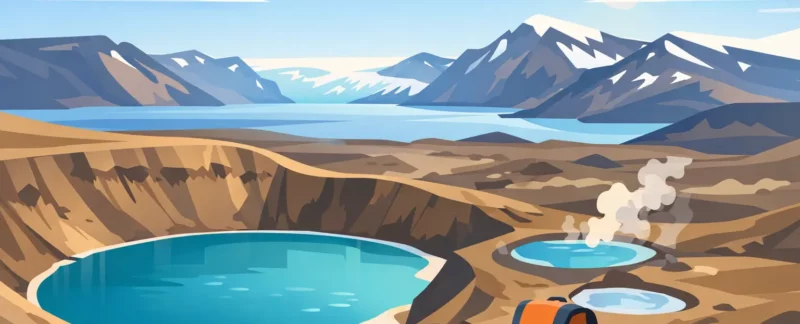
The reward is extraordinary: a vast caldera shaped by eruptions, dark lava fields stretching toward distant mountains, and the blue-green water of Víti crater beside the much larger Lake Öskjuvatn. It feels remote because it is remote. A day here is about the journey as much as the destination.

Why Askja takes more planning than most day trips

Askja sits deep in Iceland’s central highlands, roughly 1,100 meters above sea level. Even in summer, weather can shift from bright sun to cold wind, low cloud, rain, or sleet in a short time. The landscape is open and beautiful, but there are few services, no casual roadside stops, and long distances between reliable help.

For travelers based near Lake Mývatn, Laugar, or Akureyri, Askja is usually a full-day commitment. Driving times depend heavily on the chosen route, road conditions, river levels, and how often you stop. It is wise to leave early and keep the rest of the evening flexible.

This is also one of those places where a map can be misleading. A road may look like a simple line across the interior, but an F-road can include rough lava tracks, washboard surfaces, blind rises, and unbridged rivers. The shortest route is not automatically the best route for your vehicle or your confidence.

Askja travel guide: choosing the right route

The most common approaches use mountain roads such as F88, F905, and F910. Which route is suitable changes through the season and sometimes from one day to the next. Road openings are typically summer-only, and an open road does not mean every river crossing is easy or appropriate for every driver.

F88 is often the more direct approach from the northeast, but it has river crossings that can be serious. Water levels rise with warm weather, rain, and snowmelt, and the character of a crossing can change quickly. It is not sensible to follow another vehicle blindly. That vehicle may have greater clearance, a more experienced driver, or simply better luck.

Routes via F905 and F910 can sometimes offer an alternative, but they are still highland roads, not regular paved highways. Conditions vary, and route choice should be based on current information, vehicle capability, group comfort, and the weather forecast. A proper 4×4 with good ground clearance is essential for highland driving. Standard rental cars are not built for these roads, and rental agreements often restrict where they may be driven.

If you have little experience with river crossings, the practical choice is usually to travel with a qualified local guide rather than turn the day into a driving test. It gives you more time to enjoy the scenery, and it removes the pressure of making a difficult decision in the middle of a cold river.

Check conditions on the morning of travel

Do not rely only on a road report you saw days earlier. Before setting out, check the latest official road conditions, weather forecast, alerts, and any notices affecting the highland routes. Ask specifically about river conditions if you are planning a route with crossings.

A good plan has room to change. If visibility is poor, water levels are high, or a road closes, postponing Askja is not a failed day. Iceland’s highlands will still be there. Pushing ahead when conditions are wrong is how a memorable trip becomes an expensive and stressful one.

What the Askja hike is really like

Most visitors park at Vikraborgir and walk across the volcanic landscape toward the crater area. The usual trail to Víti is around 1.5 miles each way, though the time needed depends on wind, snow patches, ground conditions, and how often you stop to look around. Plan on roughly one to one and a half hours each way at an unhurried pace.

The route is not technically difficult in good conditions, but it is exposed. Wind can be strong enough to make the walk feel much longer, and fog can erase the sense of direction that the wide open terrain normally provides. Sturdy waterproof hiking boots are much more useful than fashionable sneakers here. Bring warm layers, a waterproof outer shell, gloves, and a hat even if the forecast at lower elevations looks pleasant.

At the end of the path, Víti is the small explosion crater with mineral-colored water. Lake Öskjuvatn, formed during the great 1875 eruption, lies nearby in the enormous Askja caldera. The scale is hard to understand from photographs. This is an active volcanic region, but activity does not mean there is a daily spectacle. The appeal is the geology written plainly across the ground: ash, lava, craters, faults, and a landscape still being shaped by heat beneath it.

Swimming in Víti has been popular at times, but it should never be treated as a guaranteed activity. Water temperature, access, trail stability, weather, and safety conditions vary. The descent can be steep and slippery, and the water may not be as warm as people expect. Enjoy the view first, then make a sensible decision based on the conditions in front of you.

Pack for distance, cold, and delays

The highlands reward people who prepare for the boring possibilities. Bring more water and food than you think you will need, especially if you have dietary requirements. There are no dependable cafes or stores waiting at the end of the route.

Your day bag should include warm insulating layers, rain gear, hiking boots, gloves, a hat, sunglasses, sunscreen, a charged phone, and a power bank. A small first-aid kit and any essential medication belong in the vehicle, not back at your accommodation. For photography, keep batteries warm in an inside pocket and protect camera gear from windblown dust and rain.

Fuel is equally important. Start with a full tank and know your range before leaving the last fuel stop. Highland driving uses more fuel than many visitors expect, particularly on rough surfaces. Keep an eye on the weather as well as the clock. The return drive is long, and fatigue can make rough roads feel rougher.

Give Askja the time it deserves

Askja works best for travelers who are comfortable with uncertainty. On a clear day, the ride through the Ódáðahraun lava desert and the walk into the caldera can be one of the great experiences of a North Iceland trip. On a wet, cloudy day, it can still be powerful, but it calls for more patience and better clothing.

Private guiding is especially useful here because the day can be shaped around your group. A photographer may want extra time on the lava fields and at quieter viewpoints. A family may prefer a slower pace and more frequent stops. Travelers who do not want to drive F-roads can simply look out the window, ask questions, and arrive with energy left for the hike. With Kip, that local flexibility is part of the experience, not an add-on.

Askja is not about ticking off another famous Icelandic sight. It is about standing in a place where the road ends, the wind carries across black sand, and the earth makes its own rules. Pack well, stay flexible, and let the conditions set the pace.

Posted in kip

What to See in North Iceland on a Private Day

North Iceland rewards travelers who leave room in the day. A waterfall may be throwing spray across the path, a reindeer may be standing beside an empty road, or the weather may suddenly reveal a mountain that was hidden an hour earlier. If you are deciding what to see in North Iceland, begin with the places that show how varied this part of the country really is: volcanic ground, powerful rivers, green valleys, Arctic coast, and stories that make the landscapes more than a photo stop.

The right route depends on the season, your driving confidence, and whether you prefer a full day of famous landmarks or time in quieter places. Here are the sights I would build around.

Lake Mývatn: volcanic landscapes with room to wander

Lake Mývatn is one of North Iceland’s great natural areas, but it is not one single stop. It is a compact region of lava fields, pseudocraters, geothermal ground, birdlife, and striking views, which makes it especially good for travelers who want variety without spending all day in the car.

Start around Skútustaðagígar, where low, grass-covered pseudocraters sit along the lake. They were formed when lava flowed over wet ground and steam exploded through it. The landscape looks gentle from a distance, but it tells a dramatic geological story. The walking paths are generally easy, and the views over the lake are a fine introduction to the area.

Dimmuborgir is nearby, with lava formations that resemble towers, arches, and ruined castles. Icelandic folklore has had plenty to say about this strange place over the centuries. It is worth choosing a trail that suits your energy level rather than rushing through the shortest loop. On a quiet morning, especially outside the busiest summer hours, the formations feel far more mysterious.

The Námaskarð geothermal area, beneath Námafjall, offers a completely different mood. Mud pots bubble, steam rises from fumaroles, and the ground is painted in rust, yellow, gray, and white mineral colors. Stay on marked paths. This is active geothermal ground, not a place for shortcuts, and the sulfur smell is part of the experience.

Don’t overlook the smaller Mývatn moments

The lake itself changes constantly with the light and weather. In summer, it is an important habitat for birds, while autumn can bring low golden light and fewer visitors. Winter offers snow-covered lava, frozen edges of the lake, and dark skies for Northern Lights when conditions cooperate. A private day here is useful because the best order of stops can change with wind, cloud, road conditions, and your own interests.

The Diamond Circle: waterfalls, canyon, and coast

For many visitors, the Diamond Circle is the answer to what to see in North Iceland when they have one memorable full day. The route connects some of the region’s biggest natural attractions, but it deserves more than a quick checklist approach.

Goðafoss is often a natural starting point, particularly from Akureyri or Laugar. Its name means Waterfall of the Gods, linked to the story of Iceland’s conversion to Christianity around the year 1000. The waterfall is broad rather than towering, with the Skjálfandafljót River splitting into several powerful falls. Both sides offer views, though paths and winter access can vary. Give yourself time to see it from more than one angle.

Further north, Dettifoss is a different kind of force. Fed by glacial water, it is among Europe’s most powerful waterfalls by volume. The ground can vibrate beneath your feet, and the roar makes conversation difficult near the viewpoint. Dettifoss is not delicate or polished. That is exactly why people remember it.

Nearby Selfoss is smaller but beautifully shaped, spreading across a wide series of drops in the river. It is often skipped by travelers who are in a hurry, which is a mistake if conditions allow for the walk. The contrast between the two waterfalls is part of the pleasure: Dettifoss brings raw power, while Selfoss has a wider, more detailed character.

Ásbyrgi, farther north, feels almost impossible after the open, black landscapes around Dettifoss. This horseshoe-shaped canyon is lush, sheltered, and filled with birch and rowan. According to folklore, it was made by one of Odin’s eight-legged horse Sleipnir’s hooves. Geology offers a different explanation involving catastrophic glacial floods, but there is no need to choose only one story while walking there.

Húsavík can fit into this route if you want a coastal finish. It is a working harbor town with colorful houses, a handsome wooden church, and a strong connection to whale watching. Even without going on the water, the harbor and surrounding bay are a pleasant change of pace after a day of waterfalls and canyons.

Askja: for travelers prepared for the highlands

Askja is one of the most remarkable places in Iceland, but it is not a casual add-on. Located in the central highlands, it is a remote volcanic caldera reached by mountain roads that are normally open only in summer. Conditions can change quickly, river crossings may be involved depending on the route, and access must always be assessed on the day.

The reward is a landscape that feels genuinely far from everything. At Víti, a geothermal crater lake sits within pale volcanic slopes, while the surrounding Ódáðahraun lava desert stretches toward distant mountains. The drive itself is part of the experience, passing wide empty spaces where it becomes clear why local knowledge and suitable vehicles matter.

Askja is best for travelers who are comfortable with a long, weather-dependent day and understand that the route may need to change. It is not the best choice for every visitor, especially if your time is limited or you would rather have several shorter walks. But when conditions are right, it is unforgettable.

Quieter valleys and coastal roads

North Iceland has many places that do not appear on every first-time itinerary. They can be the difference between seeing Iceland and feeling that you have spent time here.

Flateyjardalur is one such valley, known for its remote setting, old farm sites, wide views, and a sense of peaceful isolation. It is a place for travelers who enjoy landscapes with history and do not need a major landmark every half hour. Road conditions and access vary, so it works best with flexible planning.

The valleys near Eyjafjörður and the roads around Tröllaskagi can also be rewarding for photography, farm landscapes, and views across the sea. In the right season, you may find fields full of lupines, sheep moving along hillsides, or low winter light turning the mountains pink. These are not necessarily the places that appear on postcards, but they often become guests’ favorite memories.

What to see in North Iceland by season

Summer gives you long days, open highland routes, green valleys, and the best chance to include remote destinations such as Askja. It also brings more visitors to the popular stops, so an early departure or a less obvious route can make a real difference.

Fall is often excellent for color, changing light, and a calmer pace around Lake Mývatn and the Diamond Circle. Weather becomes less predictable, but that is also when the landscapes begin to show more character.

Winter is not simply summer with snow. Roads, daylight, and wind determine what is realistic. The benefit is a quieter landscape, ice and snow around waterfalls, and the possibility of seeing the Northern Lights. A good winter itinerary should be shorter, adaptable, and built around current conditions rather than a fixed list.

Spring sits somewhere between the two. Melting snow can affect roads and trails, while returning birds and longer daylight bring the region back to life. It can be a wonderful time for Lake Mývatn, lower-elevation waterfalls, and flexible day touring.

Plan for the experience, not just the pins on a map

North Iceland is larger than it looks on a map, and Icelandic weather has a habit of changing plans. Trying to combine Mývatn, Dettifoss, Ásbyrgi, Húsavík, and several long hikes into one day can turn a beautiful trip into a race. Choose two or three priorities and leave space for stops that are not on the original plan.

For travelers who prefer not to manage winter roads, gravel tracks, timing, or route changes themselves, a private guided day can be a comfortable option. At Kip, I tailor the day around the season, your pace, and what you genuinely want from it, whether that is geology, photography, family-friendly walks, or simply seeing the big landscapes without feeling rushed.

Bring layers, waterproof outerwear, sturdy shoes, water, and patience for the weather. Then let the day have a little freedom. The best sight in North Iceland is sometimes the one you did not know to request until you rounded the next bend.

Posted in kip

Why a Local Guide in North Iceland Matters

The road toward Dettifoss can look straightforward on a map. Then the weather shifts, low cloud settles over the highlands, or a road that was clear in the morning becomes a very different drive by afternoon. That is where searching for a “local guide north iceland” becomes more than a travel-planning task. It is a way to spend less time second-guessing logistics and more time noticing the place around you.

North Iceland rewards curiosity, but it does not always reward a rigid schedule. Waterfalls, volcanic landscapes, fishing villages, geothermal areas, and wide, quiet valleys are all within reach. The best day is rarely about seeing the most pins on a map. It is about choosing the right places for the conditions, your interests, and the pace that makes the trip enjoyable.

Choosing a local guide in North Iceland

A local guide brings practical knowledge, certainly, but the real value is judgment. In Iceland, weather, road conditions, daylight, and wind can change a plan quickly. A guide who works in the region knows when to leave early, when to change direction, when a certain road is not worth attempting, and when an unplanned stop will be the highlight of the day.

That does not mean every visitor needs a guide for every mile. Independent travelers who are comfortable with winter driving, happy to research conditions closely, and content to stay on the main routes can have a wonderful self-drive trip. But private guiding makes particular sense for visitors with limited time, families with different needs, photographers chasing good light, and travelers who would rather look out the window than concentrate on an unfamiliar road.

It also creates room for a more personal conversation. You may want to understand why Lake Mývatn has such unusual formations, hear how life in a small Icelandic community has changed, or stop often for photographs rather than follow a fixed timetable. Those are not small details. They shape the whole day.

The difference between seeing a place and knowing it

A large waterfall is easy to recognize. Understanding its setting takes a little more time. North Iceland’s landscapes are tied together by volcanic eruptions, glacial floods, geothermal activity, farming, fishing, and long winters. A good guide helps make those connections without turning the day into a lecture.

Around Lake Mývatn, for example, a field of lava is not simply black rock. It is part of a living volcanic story, shaped by fire and water and still marked by geothermal activity. At Ásbyrgi, the horseshoe-shaped canyon invites questions about both natural forces and local folklore. On the Diamond Circle, the scale of Dettifoss is impressive on its own, yet the power of the river makes more sense when you understand the landscape it has carved.

Local knowledge also changes where you pause. A pullout that seems ordinary can offer a view across a valley, a nesting area in the right season, or a detail in the terrain that tells a much larger story. These moments are often what guests remember after the famous sights have faded into the background.

A private day can follow your interests

There is no single correct North Iceland itinerary. A couple who loves geology may want extra time around Mývatn, volcanic craters, and geothermal areas. A family may prefer shorter walks, warm stops, and a comfortable rhythm. Someone visiting in winter may be focused on icy waterfalls by day and the Northern Lights after dark. A photographer may want to work around changing light and accept that the plan needs to remain flexible.

This is where private guiding differs from a standard sightseeing schedule. The goal is not to rush through a checklist because a bus is waiting. It is to make sensible choices as the day develops. If the light is beautiful in a valley, stay a little longer. If strong wind makes one stop unpleasant, choose a sheltered alternative. If the roads and forecast allow, a quieter route may be a better fit than the busiest attraction.

At Kip, I build private days around those conversations. I was born and raised near Lake Mývatn, and I still think the best itineraries begin by asking what guests genuinely want from their time here. Sometimes that means the well-known landmarks. Sometimes it means a road with few other cars, a local story, and a view that does not need a signboard.

Safety is part of the experience

Icelandic driving is often more demanding than visitors expect. Conditions can include wind strong enough to affect a car door, narrow gravel roads, sudden fog, winter darkness, and road closures in more remote areas. Summer brings more daylight, but it can also encourage people to pack too much into one day.

A local guide removes much of that pressure. You do not need to interpret every road update while trying to navigate, judge whether a surface is suitable for your vehicle, or wonder if you have enough time to return before conditions deteriorate. This is especially useful for routes toward the highlands, including areas such as Askja, where access depends heavily on the season, road status, river conditions, and the right vehicle.

Safety should not make a trip feel cautious or restricted. Done well, it gives you more freedom to enjoy it. You can walk toward a waterfall knowing that someone is paying attention to footing and wind. You can spend time looking for the Northern Lights without being responsible for driving home on icy roads. You can choose remote scenery without feeling that remoteness has become a risk.

What to discuss before you book

The most useful private tours begin with a short, honest exchange before the day starts. Tell your guide where you are staying, how much time you have, who is traveling with you, and what kind of day sounds right. Mention mobility needs, winter-driving concerns, photography goals, food preferences, or whether you would rather avoid long walks.

It helps to be clear about priorities too. If seeing Dettifoss matters more than fitting in five other stops, say so. If you have already visited the main Mývatn sites and want quieter scenery, that is equally useful. A local guide can offer ideas, but your preferences give the day its direction.

Be open to weather-led adjustments. Travelers sometimes worry that changing a plan means losing something. Often, it means gaining a better day. North Iceland does not perform on command, and trying to force an itinerary through difficult conditions can leave little room for enjoyment. Flexibility is not a compromise here. It is part of traveling well.

Seasons change more than the scenery

Summer is excellent for long days, green valleys, birdlife, and access to more remote roads. It is also the busiest period around the best-known sights. Winter brings a quieter atmosphere, snow-covered lava fields, and the possibility of Northern Lights, but it requires shorter daylight planning and closer attention to conditions.

Spring and fall can be especially rewarding for travelers who prefer fewer people and changing colors, though they are also transition seasons. Highland access may be limited, and weather can be wonderfully clear one day and challenging the next. The right tour depends less on a calendar date than on what the region is offering when you arrive.

Leave room for the unplanned stop

The most memorable North Iceland days often include one thing you did not expect: a reindeer in the distance, steam rising from the ground in cold air, a rainbow at a waterfall, or a story shared while waiting for the weather to clear. Those moments cannot be scheduled, but they can be made possible by traveling with enough time, local awareness, and a willingness to change course.

Choose a guide who listens carefully, explains things plainly, and is comfortable saying when conditions call for a different plan. Then let North Iceland set part of the agenda. You may come home with fewer checked boxes, but with a much stronger sense of where you have been.

Posted in kip

Akureyri Excursions vs Private Guiding Compared

A day from Akureyri can look very different depending on how you travel. One visitor may spend the morning at Goðafoss, follow a set route around Lake Mývatn, and return on schedule with a full bus. Another may stop when the light changes over the mountains, take a quiet side road, linger at a farm café, or adjust the plan because a child needs a slower morning.

That is the real question behind Akureyri excursions vs private guiding. It is not simply about transportation. It is about how much freedom, context, and comfort you want from a day in North Iceland.

Both options can be a good fit. A scheduled excursion is practical for travelers who want an easy, structured overview. Private guiding is better suited to travelers who want the day shaped around their interests, energy, and the conditions outside the window.

Akureyri Excursions vs Private Guiding: The Main Difference

Most shared excursions work from a fixed plan. The pickup time, route, stops, and return time are set in advance because the guide is coordinating a group with different needs. This is not a flaw. For many first-time visitors, it is reassuring to know exactly where they are going and when they will be back in Akureyri.

A private day is built differently. The guide still brings a plan, because North Iceland has long distances, changing weather, and more worthwhile places than can fit into one day. But the plan can move. If Lake Mývatn is foggy in the morning and clear later, the order of stops can change. If you are fascinated by volcanic landscapes, there can be more time at Hverir or Dimmuborgir. If waterfalls are your priority, the route can give them the attention they deserve.

The difference is especially noticeable once you leave the town. North Iceland rewards patience. A beautiful valley may deserve an unplanned photo stop. A road closure may make local route knowledge more useful than a rigid itinerary. Sometimes the best decision is simply to have a warm drink and wait for the weather to pass.

When a Scheduled Excursion Makes Sense

A shared excursion can be a sensible choice when your schedule is tight and your expectations are straightforward. If you are visiting on a cruise stop, traveling solo, or mainly want to see the best-known sights without organizing a car, a scheduled day trip offers a clear and efficient solution.

It can also suit travelers who enjoy meeting people. A good group often brings together visitors from different places, and there is something pleasant about sharing the first view of Goðafoss or the strange steam rising from a geothermal field.

The trade-off is time. Every pickup takes a little longer. Stops must work for the whole group, not just for you. The guide may know an excellent viewpoint, a quiet trail, or a local story that would interest you, but there is not always room to add it to a fixed schedule.

That does not mean a group tour lacks quality. It means it is designed for consistency. You are joining an established day rather than creating your own.

What Private Guiding Changes

Private guiding gives you a guide, vehicle, and itinerary focused on your party. For couples, families, friends traveling together, and photographers, that can make the day feel less like an outing on a timetable and more like being shown around by someone who knows the area well.

The first benefit is pace. Some guests are happy walking over uneven lava fields and spending a full day outdoors. Others prefer short walks, frequent breaks, and easy access to viewpoints. Neither style is better, but they require different planning. A private guide can adjust the route to mobility needs, weather tolerance, and how much driving feels comfortable.

The second benefit is conversation. In a large group, the guide has to speak to everyone at once and keep the day moving. In a private vehicle, questions can lead the day. You might ask why the ground around Mývatn has so many colors, how Icelanders lived through difficult winters, or what daily life is like in a small northern community. There is time for the answer, and for the stories behind it.

The third benefit is judgment. Icelandic conditions are not always dramatic, but they are always worth respecting. Wind, ice, rain, visibility, and road conditions can change what makes sense on a particular day. A certified local guide can make calm, informed decisions without turning every forecast into a crisis.

At Kip, tours are led directly by Kristinn Ingi Pétursson, who was raised near Lake Mývatn. That kind of local connection matters less as a slogan and more in the details: knowing when a route is worth taking, where geology becomes understandable, and when a popular stop is better approached from a quieter angle.

The Question of Access

Private guiding does not mean going everywhere or ignoring sensible limits. Some highland routes need the right season, a capable vehicle, and careful planning. Askja, for example, is not a casual detour from Akureyri. It is a long and memorable day that depends on road conditions and timing.

What private guiding does offer is access to a broader range of possibilities when conditions allow. That could mean pairing the Diamond Circle with more time in Ásbyrgi, seeking quieter sections of a valley, or planning a day around photography rather than a standard checklist. In winter, it can mean choosing the safest and most rewarding route instead of trying to force a summer-style itinerary into short daylight and icy roads.

For independent travelers, this is also where private guiding can remove a great deal of stress. Driving in Iceland is enjoyable for many visitors, but it asks for attention. Gravel roads, narrow bridges, wind, snow, and quickly changing visibility are unfamiliar to plenty of experienced drivers. Letting someone else handle the road can leave you free to look out the window rather than study it.

Photography, Families, and Travelers Who Need Flexibility

Some travel styles benefit from private guiding more than others. Photographers often need patience. A bus stop of 20 minutes may be enough to take a picture, but not enough to wait for a break in the clouds, choose a composition, or return to a location when the light improves. A photo-focused day can be planned around conditions rather than clock-watching.

Families often value flexibility for simpler reasons. Children may be delighted by a waterfall and completely uninterested in a long explanation of volcanic formations. A private day allows room for snack breaks, shorter walks, and changes of plan without feeling that everyone else is waiting.

Older travelers and guests with limited mobility may appreciate the ability to choose accessible stops and avoid unnecessary walking. Private guiding is not a promise that every natural site is easy to reach, because Icelandic landscapes are often uneven and exposed. It is a way to be honest about what is comfortable and to build a rewarding day around it.

It can also be a welcome option for LGBTQIA+ travelers and anyone who values an inclusive, personal setting. The best guided day is one where you can relax, ask questions, and feel fully welcome in the vehicle.

How to Choose the Right Experience

Start with the day you actually want, not the longest list of attractions. If you are content to follow a well-known route, want a fixed departure, and enjoy traveling with others, an Akureyri excursion may be exactly right.

Choose private guiding if you want to control the pace, spend time on specific interests, travel with people you know, or get help navigating weather and road decisions. It is particularly worthwhile if your time in North Iceland is limited and you would rather have one well-shaped day than rush through several places without much connection to them.

Before booking either option, think about walking ability, preferred pickup location, season, daylight, and the sights that matter most. Tell the guide if you are hoping for geology, local history, wildlife, waterfalls, quieter roads, or photographs. A good itinerary begins with an honest conversation, not a generic promise.

North Iceland does not need to be rushed to be memorable. Leave room for the unexpected clear view, the extra five minutes by a waterfall, and the story that makes a place stay with you after the drive back to Akureyri.

Posted in kip