
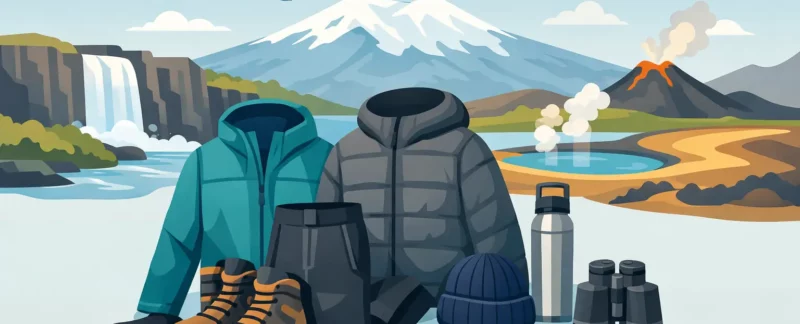
You can leave your formal coat at the hotel. For most Iceland day tours, the real challenge is not looking polished in a photo – it is staying dry and warm when a calm viewpoint turns windy five minutes later. If you are wondering what clothing for Iceland day tours makes sense, think layers, weather protection, and footwear you can trust on uneven ground.
In North Iceland, a day can include mist near a waterfall, a bright walk around volcanic terrain, and chilly wind beside a lake or canyon. The weather is part of the experience, but it should not distract from it. A few well-chosen pieces will let you enjoy the landscape rather than spend the day wishing you had packed another sweater.
Start with layers, not one heavy coat
The most useful approach is a simple three-layer system. It works in every season because you can add or remove warmth as conditions change.
Your base layer sits next to the skin. Merino wool or a synthetic long-sleeve shirt is ideal because it manages moisture and stays warm if you work up a little heat while walking. Cotton is less helpful as a base layer. Once damp from rain or perspiration, it can feel cold for a long time.
Over that, wear an insulating layer such as a fleece, wool sweater, or lightweight insulated jacket. A fleece is often the practical choice for sightseeing days because it is easy to take off inside the vehicle or at a café. In winter, or if you naturally feel cold, a warmer insulated jacket is worth bringing as well.
Your outer layer should be a windproof and waterproof shell with a hood. This is the piece that makes the biggest difference. Icelandic rain is often driven sideways by the wind, and even light drizzle can find its way through a water-resistant fashion jacket. Look for a proper rain shell with room underneath for your warm layers.
Why the hood matters
A hood may seem like a small detail until you are standing near Goðafoss or another exposed waterfall with spray and wind coming from different directions. A good hood keeps your head and neck warmer, protects your hair from rain, and means you do not have to hold an umbrella. Umbrellas are rarely useful on exposed Icelandic sites.
What clothing for Iceland day tours changes by season?
The basics stay the same throughout the year, but the amount of insulation changes considerably.
Summer: prepare for cool wind and rain
Summer visitors are sometimes surprised by how quickly a sunny day can become cold. Daytime temperatures can feel pleasant when you are walking in shelter, but a breeze at a coastal viewpoint or highland stop changes that quickly. Bring a base layer, fleece or light sweater, waterproof shell, long pants, and sturdy shoes.
Shorts and T-shirts are fine for a warm, calm afternoon, especially around town, but they should not be your only plan for a full-day tour. Pack your shell and an extra layer in a small daypack even when the morning forecast looks friendly. The long daylight of summer also encourages people to stay outside longer than expected.
Spring and fall: expect variety
Spring and fall can offer beautiful light, quieter roads, and quickly changing conditions. You may encounter rain, sunshine, wind, and occasional snow on the same outing. A warmer midlayer is sensible, along with a hat and gloves that are easy to keep in your pocket.
Waterproof pants are particularly useful in these shoulder seasons. They are not necessary for every short walk, but they are a welcome backup if rain becomes steady, if trails are wet, or if you want to spend extra time taking photographs near a waterfall.
Winter: warmth is about more than temperature
Winter clothing should be warm, windproof, and designed for standing still outside. Looking for the Northern Lights, photographing a frozen waterfall, or listening to a story at a scenic stop involves less movement than hiking. That means you cool down quickly.
Choose a warm insulated jacket over your base and midlayers, along with insulated gloves, a warm hat that covers your ears, and a neck gaiter or scarf. Thermal leggings under your pants make a noticeable difference. If you own waterproof insulated pants, bring them. Otherwise, use warm pants with a waterproof outer layer when conditions call for it.
Choose footwear for ground conditions, not just the forecast
For a typical sightseeing day, waterproof hiking shoes or hiking boots with good tread are the best all-around option. You do not need heavy mountaineering boots for every tour, but your shoes should support you on gravel, wet paths, snow, and uneven lava terrain.
Sneakers can work on a dry summer day with short, easy walks. Still, they have limits. Wet grass, loose stones, and waterfall paths can quickly soak lightweight shoes or make smooth soles slippery. If footwear is your one area to improve before the trip, choose waterproof shoes with a grippy sole.
In winter, boots should have enough room for warm socks without squeezing your feet. Tight boots reduce circulation and make toes cold. Wool socks are a reliable choice, and bringing one spare pair in your daypack is never a bad idea. Ice grips can be useful on icy paths, though conditions vary from day to day and some guided outings may provide advice on whether they are needed.
Small accessories that earn their place
The practical extras are often what save a day from becoming uncomfortable. Pack a warm hat, gloves, and a neck gaiter in every season except perhaps the warmest summer days, and even then, keep a light version close by. Wind can arrive without much warning.
A small backpack is useful for storing layers, water, snacks, camera gear, and a spare pair of socks. For photographers, thin liner gloves under warmer mittens provide a good compromise: you can adjust camera settings without exposing bare hands for long.
Sunglasses deserve a place in your bag. Low winter sun can be bright against snow and ice, while summer sunlight reflects strongly from water. Sunscreen is useful too, especially on long summer days or when snow reflection catches people off guard.
If you wear glasses, consider a cap with a brim under your hood in rainy weather, or carry a microfiber cloth in an accessible pocket. It is a minor comfort, but anyone who has tried to photograph a waterfall through wet lenses will understand.
Dress for the activity you actually plan to do
A private day tour can be adjusted around your interests, which also means your packing can be more specific. A guest focusing on easy sightseeing around Lake Mývatn needs different gear than someone planning longer walks, a highland excursion, or a dedicated photo day.
For waterfalls and geothermal areas, prioritize waterproof outer layers and shoes with grip. Waterfall spray reaches farther than many visitors expect, and geothermal ground can be muddy or uneven. For volcanic landscapes and longer walks, choose breathable layers and comfortable footwear that will not rub. For the highlands, bring warmer and more weatherproof clothing than you think you need, even in summer. Conditions there are often cooler and more exposed.
For a Northern Lights outing, dress as though you will be standing outside for an extended period. The vehicle may be warm between stops, but the best light often asks for patience. An extra insulated layer, hand warmers, thick socks, and a warm drink can make that waiting time much more enjoyable.
A few things travelers often get wrong
The most common mistake is bringing a single bulky winter coat but no useful layers. That coat may be too warm while walking and not enough when wind gets through it. A waterproof shell plus adjustable insulation gives you more control.
Another mistake is assuming a rental car, tour vehicle, or indoor lunch stop makes weatherproof clothing unnecessary. Those comforts help, but Iceland’s best moments are usually outside: beside the falls, on the shore, at the edge of a canyon, or under an open sky.
Finally, do not save your good outdoor clothes for a special hiking day. Wear them for sightseeing too. Comfort gives you the freedom to linger when the weather, light, and landscape are at their best.
You do not need to buy a whole new wardrobe for Iceland. Bring clothing that can work together, keep your rain layer and warm accessories within reach, and let the conditions guide the final choice each morning. Then, when the wind picks up at a viewpoint, you can pull up your hood, take in the view, and stay exactly where you want to be.
