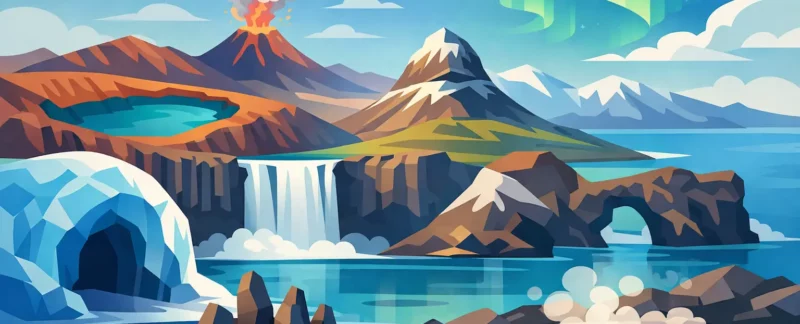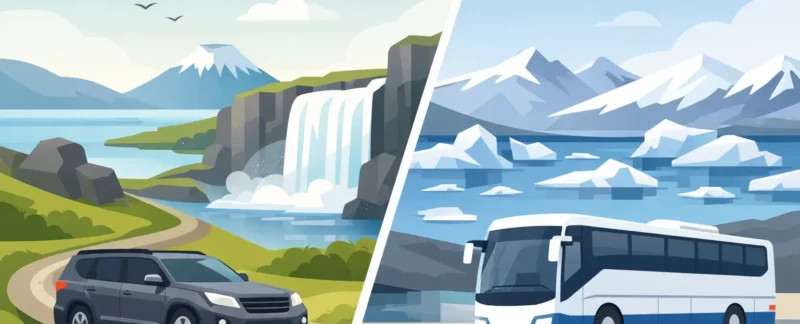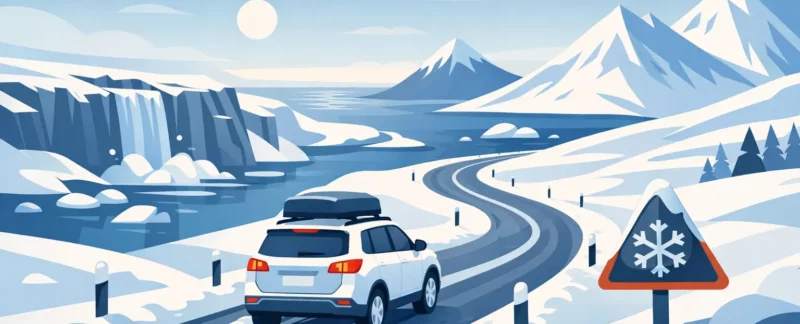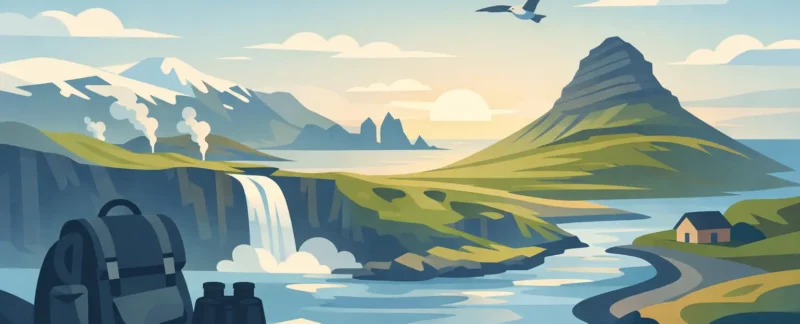
North Iceland Travel Guide for Real Trips

If you have ever looked at a map of Iceland and thought the north seems quieter, wilder, and somehow more like the Iceland you came to see, you are not wrong. A good north iceland travel guide should help you do more than tick off sights. It should help you understand distances, weather, road conditions, and why some places are best enjoyed slowly, with room to adjust.

North Iceland rewards travelers who give it time. The landscapes change quickly. One hour you are in a broad farming valley, the next you are standing near steaming geothermal ground or looking into a waterfall canyon shaped by old floods and deep time. It is also a region where local knowledge matters. A route that looks simple on a map can feel very different in wind, snow, summer traffic, or shoulder-season light.

How to use this north iceland travel guide

The biggest mistake people make is treating North Iceland as a quick add-on between other stops. Distances are manageable, but this is not a region that shows itself well through a car window. If you want the area to feel memorable instead of rushed, plan around one base at a time and build outward.

For many travelers, Akureyri works well if you want town comforts, dining, and easy access to both west and east. Mývatn makes more sense if your priority is volcanic scenery, geothermal features, and early starts in the quieter hours. Laugar can be a very practical middle ground for travelers who want access in several directions without changing accommodation too often.

That choice shapes everything else. A couple staying near Mývatn can spend more time walking and less time driving. A family in Akureyri may prefer shorter day trips with more services nearby. Photographers often do best by staying close to the landscapes they want to shoot at sunrise or late evening, because light and weather decide the day more than the clock does.

What to see in North Iceland without rushing it

The Mývatn area is one of the strongest reasons to come north in the first place. This is where volcanic history is visible almost everywhere – lava fields, pseudocraters, geothermal steam, and wide views that never feel repetitive. It is an easy place to underestimate because the map makes the sights look close together. They are close, but the area works best when you stop often and leave room to walk, look, and ask questions.

Goðafoss is often paired with Mývatn, and for good reason. It is accessible, dramatic, and worthwhile in every season. In winter it can feel stark and powerful. In summer the surrounding colors soften the landscape. It is also one of those places where timing matters. Early and late visits are calmer, and calmer usually means better.

If you have a full day or more, the Diamond Circle opens up a larger picture of the northeast. Dettifoss brings raw force. Ásbyrgi offers a completely different mood, with sheltering cliffs and a quieter sense of scale. Húsavík can add a coastal note to the trip, and that contrast matters. North Iceland is not one look repeated over and over. It is volcanic inland terrain, green valleys, coastal light, old farm country, and roads that lead into places many visitors never reach.

Then there are the more remote days, the ones that turn a good trip into a personal one. Askja is not a casual add-on. It depends heavily on season, road access, and vehicle capability. Flateyjardalur is another example of a place where you go for the experience of being there, not just for a named landmark. These routes are where private guiding makes real sense, especially if you want to understand what you are seeing rather than simply arrive, take a photo, and leave.

When to go, and what changes with the season

Summer gives you the easiest access and the longest days. That sounds ideal, and often it is, especially for first-time visitors. Roads are simpler, highland routes may open, and you can fit a lot into a day without feeling pressed by darkness. The trade-off is that the most popular stops are busier, and some travelers end up moving too fast because the long daylight makes everything seem possible.

Winter is quieter, more dramatic, and less forgiving. Snow, wind, and road conditions can reshape your plan within hours. But winter also brings a kind of stillness that many people remember most vividly. Waterfalls framed by ice, low golden light, steaming geothermal fields in the cold air, and the possibility of Northern Lights all make the north feel deeply atmospheric.

Shoulder seasons are often the most underrated. You may get fewer people, shifting colors, and a more local rhythm to the trip. You also need more flexibility. That is the recurring theme in North Iceland. The best days are usually not the ones planned minute by minute.

Driving yourself or going with a local guide

Self-driving can work well if you are comfortable with variable weather, changing road conditions, and longer stretches between services. It suits travelers who like independence and do not mind spending part of the day focused on logistics. In summer, many routes are straightforward. In winter, straightforward can become stressful very quickly.

A guided day gives you something different. It is not only about avoiding the driving. It is about having someone who knows when a viewpoint is worth stopping for, which route makes more sense in current conditions, how long a location really deserves, and when to change course instead of forcing the original plan. For older travelers, families, photographers, and anyone uneasy about Icelandic winter roads, that peace of mind can be the difference between a tiring day and a memorable one.

There is also the human side of it. Landscapes become richer when they are connected to stories – geology, local history, farm life, place names, weather patterns, and the practical reality of living here. That is where a private local guide can offer something a standard itinerary cannot. If you want a more personal experience, this is exactly the sort of travel Kip was built around.

Practical planning that saves your trip

North Iceland is not difficult, but it does ask for a bit of respect. Fuel up before longer day trips. Keep food and water with you, especially outside the main towns. Dress in layers even in summer, because wind changes how a place feels more than temperature alone. Good shoes matter more than people expect.

Do not overload the day. A route with four major stops, several short scenic pauses, lunch, and a bit of walking is usually enough. Once you try to add too much, every stop becomes shorter and less enjoyable. The north is better when you let it breathe.

If you are visiting in winter, leave extra space in the schedule from the start. A delayed departure, a weather check, or a safer slower drive is not a wasted day. It is normal travel here. The same goes for Northern Lights plans. Treat them as a possibility, not a guaranteed event to be forced at all costs.

Photography travelers should think about angle and time, not only destination. Some locations are far stronger early or late in the day, and some are better in overcast light than bright sun. If photography is one of your main reasons for visiting, say so when planning. That one detail can shape a much better route.

A North Iceland trip that fits you

There is no single correct way to see this region. A first-time visitor might want a classic day around Goðafoss and Mývatn with a comfortable pace and good context. Another traveler may want the bigger sweep of the Diamond Circle. A returning visitor may care more about quieter valleys, hidden viewpoints, or a photo-focused day built around the light.

That is really the heart of any useful north iceland travel guide. The region is at its best when the plan matches the traveler. Families often need more stops and more flexibility. Couples may want scenic focus and unhurried meals. Some travelers want geology. Others want birdlife, history, waterfalls, or winter atmosphere. The route should follow that interest, not fight it.

If you come north expecting a checklist, you will still find beautiful places. If you come ready to pay attention, ask questions, and allow for the weather to have a say, you will likely leave with something better than a full camera roll. You will leave with a clearer sense of where you have actually been.
Posted in kip

10 Best Stops Near Lake Myvatn

If you are looking for the best stops near Lake Myvatn, the good news is that you do not need to spend half your day driving between them. This part of North Iceland is compact, varied, and full of places that feel completely different from one another – steam vents, volcanic craters, lava formations, birdlife, and wide open views all sit within a relatively short distance.

That close spacing is part of what makes Mývatn so rewarding, but it can also make planning harder than people expect. Some stops are quick and dramatic. Others are quieter and worth slowing down for. And in Iceland, weather, season, road conditions, and your walking ability matter just as much as distance on a map. If you want a good day here, it helps to know which places are genuinely memorable and which ones fit your pace.

Best stops near Lake Myvatn for a full day

A strong Mývatn day usually mixes a few short scenic stops with one or two places where you linger. Trying to see everything at speed can turn a beautiful area into a checklist. I usually suggest balancing geology, views, and time outdoors so the day has some rhythm.

Dimmuborgir

Dimmuborgir is one of the most popular stops in the area, and for good reason. The lava field is filled with dark rock formations, arches, and twisted shapes that make the landscape feel almost theatrical. It is easy to visit, with marked walking paths that range from short and simple to longer loops.

This is a good stop for almost everyone because you can tailor the time to your energy level. If you have young kids, older travelers, or changing weather, the shorter paths still give you a strong sense of the place. If you like geology or photography, it rewards a slower walk.

Hverir geothermal area

Hverir is raw, exposed, and unforgettable. The ground bubbles, steams, and stains itself in orange, yellow, gray, and white, and the smell of sulfur is part of the experience whether you like it or not. It is not a delicate landscape, and that is exactly why people remember it.

This is one of the best stops near Lake Myvatn if you want to feel Iceland’s volcanic energy up close without a long hike. The trade-off is that it can feel busy in peak season, and the conditions underfoot can be muddy or icy depending on the time of year. Good footwear matters here more than people think.

Námafjall viewpoint

Right above Hverir sits Námafjall, and if road and trail conditions allow, the higher view gives useful perspective on the whole geothermal zone. From up there, you see how the steaming earth fits into the broader volcanic landscape rather than as a single isolated stop.

This one depends more on weather and mobility. On a clear day, it is excellent. In strong wind, rain, or ice, it may not be worth forcing. That is a pattern around Mývatn in general – the best plan is the one that leaves room to adjust.

Skútustaðagígar pseudo craters

The pseudo craters at Skútustaðir are gentler than the more dramatic volcanic sites, but they are often a favorite because they sit so beautifully beside the lake. These formations were created by steam explosions when hot lava moved over wet ground, which is a very Mývatn kind of geology – unusual, layered, and tied directly to the lake environment.

The walking here is usually manageable, and the views are wide and calm. It is a good place to take a breath between more intense stops. Birdlife can be a big part of the experience in summer, which adds another dimension beyond the rocks and steam.

Grjótagjá cave

Grjótagjá is a small lava cave with a thermal spring inside, and despite its size, it leaves a strong impression. The contrast between the rough volcanic opening and the vivid blue water below is striking. It is no longer a bathing spot, so think of it as a short visual stop rather than a place to settle in.

Because it is compact, timing matters. If several vehicles arrive at once, it can feel cramped. Early or later visits tend to be calmer. If you are interested in geology, it is well worth a few quiet minutes.

Hverfjall crater

Hverfjall is one of the landmark sights in the region. It is a large tephra crater with a broad, powerful shape that stands out from far away, and walking up gives you one of the most satisfying views in the area.

That said, this is not the right stop for everyone. The uphill section is short but steep, and wind can make it harder than expected. If you are comfortable walking and the conditions are decent, it is one of the strongest panoramic viewpoints near the lake. If not, admire it from below and save your energy for other places.

A few quieter stops worth your time

The famous locations deserve their reputation, but some of the best moments around Mývatn come from stops that are less rushed.

Höfði peninsula

Höfði offers a softer side of the lake. There are wooded walking paths, lava pillars rising from the water, and a quieter atmosphere than at some of the headline stops. If the geothermal areas show Mývatn at its harshest, Höfði shows its calm.

It is especially good for couples, photographers, and anyone who likes a slower pace. Light and weather change the mood here a lot. On a still day, the views across the lake can be remarkably peaceful.

Reykjahlíð and the lake views

Reykjahlíð is not a dramatic attraction in the same way as Hverir or Hverfjall, but it is a practical and pleasant base point in the area. Sometimes what travelers need most is a sensible pause – a place to reset, check conditions, and take in the lake without rushing to the next parking lot.

That may sound simple, but simple matters. Mývatn is better when the day has breathing room.

Mývatn Nature Baths

If your timing works, the Nature Baths can be a very good final stop. After wind, gravel, sulfur, and uneven trails, soaking in warm mineral water makes a lot of sense. The views are open, and the atmosphere is usually calmer than people expect if you avoid the busiest windows.

This stop depends on your travel style. Some people want pure sightseeing and no pause. Others are happier ending the day in warm water rather than adding one more crater. Neither choice is wrong.

How to choose the best stops near Lake Myvatn for your travel style

The right itinerary depends on more than what looks famous on a map. If you enjoy walking and want classic volcanic scenery, pair Hverfjall, Dimmuborgir, and Hverir. If you prefer easier access and less physical effort, Skútustaðagígar, Grjótagjá, Höfði, and selected viewpoints make for a very rewarding day.

Families often do better with variety than with nonstop hiking. Photographers usually benefit from fewer stops and better timing. Older travelers or anyone uneasy about winter driving often enjoy the area more when they are not worrying about the road, the parking, or changing trail conditions.

This is one reason private guiding can be such a good fit here. A place like Mývatn looks straightforward on paper, but local judgment matters. Kristinn Ingi Pétursson, who was born and raised near the lake, knows which stops pair well together, which ones are best in certain weather, and when a quieter alternative will give you a better day than the obvious choice.

Practical tips for visiting the stops near Lake Myvatn

Distances are short, but do not treat this as a race. Weather can shift quickly, and a stop that takes ten minutes in summer may take much longer in wind, snow, or ice. Good layers, solid shoes, and a flexible attitude go a long way.

If you are self-driving, be realistic about daylight and road conditions, especially outside summer. Parking areas and paths can be slippery even when main roads seem fine. If you are visiting for photography, sunrise, sunset, and low cloud can completely change what is worth prioritizing.

It also helps to accept that you probably will not have the same favorite stop as everyone else. Some people leave talking about the crater rim. Others remember the steam at Hverir or the stillness at Höfði. That is part of what makes this area special – it offers different kinds of beauty in a small space.

If you give yourself enough time to slow down, the best stops near Lake Myvatn stop feeling like stops at all. They begin to feel connected, like pieces of one living landscape, and that is when the area really starts to stay with you.

Posted in kip

Custom Day Trips Myvatn That Fit Your Day

Some travelers get to Mývatn, see a map full of famous stops, and immediately feel the pressure to do all of it in one sweep. That is usually the moment when custom day trips Myvatn start to make the most sense. This is not an area that rewards rushing. It is a place of lava fields, steam vents, crater rims, quiet roads, and small details that are easy to miss if your whole day is built around a fixed timetable.

A private day trip around Mývatn works best when it follows the people in the vehicle, not the other way around. Some guests want the classic highlights with enough time to walk, take photos, and ask questions. Others want to skip the busiest viewpoints, slow down in the lava landscapes, or combine geology with local history and daily life in the area. Those are very different days, and they should be treated that way.

Why custom day trips Myvatn work so well

The Lake Mývatn area looks compact on a map, but the experience changes a lot depending on weather, road conditions, the season, and your interests. A clear summer evening invites one kind of route. A windy winter day asks for another. Even in good conditions, not every traveler wants the same pace. Families often need more flexibility. Photographers usually want better light and fewer stops, but longer ones. Older travelers may prefer shorter walks and easier footing. Couples might want a more relaxed day with room for detours.

That is the real advantage of a custom trip. You are not forced into a one-size-fits-all loop. If you are fascinated by volcanic landscapes, the day can lean into pseudocraters, lava formations, geothermal areas, and the stories behind how this landscape was shaped. If birds, local folklore, or regional history matter more to you, the route can reflect that. If you simply want to see the main places without the stress of driving and parking, that is a perfectly good reason too.

There is also a practical side that many visitors underestimate. North Iceland roads are often straightforward, but the conditions are not always familiar to international travelers. Wind, ice, drifting snow, wet gravel, and changing visibility can turn a simple drive into a tiring one. Having a local guide means someone else is making those calls while you actually look out the window and enjoy where you are.

What a personalized Mývatn day can include

A custom day in Mývatn usually starts with the well-known landmarks, but it does not have to stop there. Dimmuborgir, Hverir, Grjótagjá, Skútustaðagígar, and the nature around the lake are popular for good reason. They each show a different side of the area – volcanic activity, strange lava architecture, geothermal force, and the softer wetlands that give the region its life.

The difference on a private trip is not only which places you visit, but how you visit them. At Hverir, some people are happy with a short stop and a few photos. Others want to understand why the ground boils and hisses, what minerals create the colors, and how geothermal systems shape everyday life in Iceland. At Dimmuborgir, some want a gentle walk and time to absorb the atmosphere. Others want to hear the geological story first, because the landscape makes more sense once you know how it formed.

A tailored route can also include places just beyond the standard checklist. Depending on time, conditions, and what you enjoy, it may make sense to add a waterfall, a quieter viewpoint, a scenic stretch of road, or a stop that connects the landscape to local life in a more human way. Those small adjustments often become the parts people remember best.

Custom day trips Myvatn are not only for experts

There is sometimes an idea that a private custom tour is mainly for serious photographers, geology enthusiasts, or people who already know Iceland well. That is not really true. First-time visitors often benefit the most.

If you have never driven in Iceland, never dealt with winter road reports, and do not know how long stops actually take, a custom day removes a lot of guesswork. You do not need to calculate whether a route is too ambitious or worry that one extra stop will throw off the whole day. You can simply say what kind of experience you want – scenic, relaxed, active, photo-focused, family-friendly – and let the day be built around that.

At the same time, experienced travelers often appreciate the same flexibility for different reasons. They may have already seen the headline stops in Iceland and want a more locally grounded day. They may prefer quieter corners, better timing, or more context than they would get on a standard excursion. A good private day can meet both kinds of travelers without feeling too basic for one or too specialized for the other.

The value of a local guide in Mývatn

Mývatn is not only beautiful. It is layered. The geology is obvious, but the local knowledge is what gives it depth.

A guide who grew up near the lake reads the area differently from someone who only knows the route. That can show up in small ways: which stop is best in morning light, where footing gets tricky after rain, why one area looks barren while another is full of birdlife, or how a winter day should be paced when the forecast is shifting. It also shows up in stories – not performed stories, just the kind that come naturally when a place is part of your own background.

That kind of guiding tends to feel less scripted and more useful. Guests can ask practical questions, change direction during the day, or spend more time on something unexpected. Maybe the steam fields interest you more than expected. Maybe a short walk is enough and you would rather keep driving. Maybe the weather closes one option and opens another. A private trip has room for that.

How to plan a day that actually suits you

The best custom day trips start with a simple conversation. Not a long form filled with travel jargon, just a clear sense of what matters to you. Are you staying in Akureyri, Mývatn, or nearby? Do you want a full sightseeing day or a slower outing with fewer stops? Are there any mobility concerns, winter worries, or must-see locations? Do you care most about geology, photography, scenery, or local stories?

From there, the route can be shaped into something realistic. That word matters. A good custom plan should not try to squeeze in every possible stop. It should leave room for weather, conversation, comfort breaks, and the fact that some places deserve more than ten minutes.

This is especially important in North Iceland, where conditions can change quickly and daylight varies a lot by season. In summer, there is usually more room to stretch the day and chase good light. In winter, a sensible plan matters more than a long list. The right guide will not promise everything. They will help you choose the version of the day that works best.

Who benefits most from a private Mývatn day trip

Couples often enjoy having a quieter, more personal experience than a large group can offer. Families appreciate the freedom to adjust pace, take breaks, and keep the day comfortable for everyone. Photographers usually value local timing and the chance to linger when the light is right. Older travelers often prefer the ease of door-to-door travel and a route that matches their mobility and energy.

This style of travel also suits people who simply do not enjoy bus tours. Some travelers want less noise, less waiting, and more conversation. Some want a guide who listens rather than performs. Some want to feel welcome asking basic questions without worrying they are holding up a group. Those are all good reasons to choose a custom day.

For many visitors, that personal fit matters as much as the scenery. A landscape can be extraordinary and still feel rushed if the day is not built around you. The opposite is also true. Even familiar landmarks feel richer when you see them at a comfortable pace, with context, in conditions that suit the day.

Mývatn has plenty to offer on its own. You do not need a complicated plan to enjoy it. What helps is having a day shaped by someone who knows the area well enough to keep it simple, flexible, and grounded in real local knowledge. If you give yourself that kind of day, you usually come away with more than photos. You come away feeling that you actually got to know the place a little.

Posted in kip

10 Hidden Gems in North Iceland

The places people remember most in North Iceland are often not the headline stops. They are the side roads, the quiet viewpoints, the canyon you reach just as the wind drops, the farm valley that feels almost secret even when it is right there on the map. If you are looking for hidden gems north iceland offers in abundance, the real trick is not chasing obscurity for its own sake. It is knowing which places are worth the extra time, which roads are sensible in current conditions, and when a well-known area becomes quiet enough to feel personal again.

That is especially true in the north. Distances can look short online, but weather, road quality, and daylight hours change the day quickly. Some of the best lesser-known places are easy additions to a flexible private day, while others are better treated as full outings. The difference matters.

What counts as a hidden gem in North Iceland?

A hidden gem is not always a place nobody knows. In North Iceland, it can just as easily be a place most visitors rush past. A waterfall seen from the wrong angle can feel ordinary. Walk a little farther, or arrive at the right hour, and it becomes the stop you talk about for the rest of the trip.

That is why local context matters here more than list-making. Some places are hidden because they are remote. Others are hidden because they sit beside bigger attractions and get overshadowed. And some are hidden in plain sight because visitors do not realize what they are looking at – old eruption sites, strange lava formations, abandoned valley routes, or a stretch of coastline with more atmosphere than signage.

Hidden gems North Iceland travelers often miss

Geitafoss

Most people know Goðafoss. Fewer take the time to visit Geitafoss nearby, even though it has a completely different mood. It is rougher, quieter, and less staged. You do not come here for a grand visitor-stop feeling. You come because the river still feels wild.

If you enjoy waterfalls but dislike crowds, this is a good example of how a short detour can change the rhythm of your day. It also works well for photographers who want something less familiar than the classic postcard view.

Aðaldalur’s quieter corners

Aðaldalur is not one single attraction. That is exactly why it is easy to miss. This broad valley has historic weight, working farmland, old church sites, and a calmer pace than the more famous sightseeing loops. Driving through it with someone who knows the area turns a “between places” stretch into part of the experience.

For travelers who like cultural context, this kind of landscape often stays with them longer than a stop-and-go itinerary. You are seeing how people actually lived with the land, not just where visitors pause for ten minutes.

Tjörnes Peninsula viewpoints

Tjörnes tends to be overlooked by travelers focused on whale watching, Húsavík, or the Diamond Circle route. But the peninsula has broad sea views, dramatic cliffs, birdlife in season, and an exposed, beautiful emptiness that feels very northern.

It is also one of those areas where conditions shape the experience. On a clear day, the coastline opens up beautifully. In fog or strong wind, it can feel raw and almost severe. Neither is wrong. It just depends on what kind of Iceland you came to meet.

The old turf and lava edges around Lake Mývatn

Around Mývatn, many visitors tick off the major stops and move on. That is a mistake. Some of the most rewarding places here are small: old turf structures, quieter pseudocrater views, lava edges with fewer footprints, and short walks where geology suddenly becomes easy to read.

This area rewards patience more than mileage. A guide who grew up nearby can point out details that are easy to miss if you are only following signs – how an eruption shaped the land, why one farm sits where it does, why the light behaves differently across the lava late in the day.

Flateyjardalur

Flateyjardalur is one of those names that makes experienced Iceland travelers lean in a little. It is remote, spacious, and deeply atmospheric, with an abandoned-valley feeling that stays with you. You do not go there because it is convenient. You go because you want to feel the scale and isolation that still exist in parts of the north.

This is not a casual add-on for every visitor. Road and weather conditions matter, and the value of the trip depends on your appetite for a longer, more committed day. But for travelers who want something genuinely different from standard sightseeing, it can be unforgettable.

Vesturdalur and the quieter side of Jökulsárgljúfur

Ásbyrgi gets attention, deservedly so. But the broader canyon system has quieter corners, especially around Vesturdalur, where strange rock formations, layered geology, and less crowded walking areas create a more personal experience.

This is a strong choice for people who like landscapes that feel a little unusual rather than conventionally pretty. The shapes are dramatic, the volcanic history is visible, and there is room to slow down. If you are traveling with children or older family members, route choice matters here, since some walks are simple and others ask for more time and steadier footing.

Hidden hot water, not necessarily hidden hot springs

People often ask for secret hot springs. The honest answer is that “secret” and “good for visitors” do not always go together. Some spots are on private land, some are sensitive, and some simply are not safe or comfortable depending on the season.

A better approach is to look for quieter geothermal experiences rather than chasing mystery. In North Iceland, that might mean choosing a less hectic time of day, combining geothermal sites with nearby landscapes that others skip, or visiting warm ground and steam areas that offer atmosphere without requiring a soak. It depends on what you actually want – solitude, geology, or a bath.

Coastal stretches near Grenivík and Eyjafjörður

Eyjafjörður is often treated as the way in or out of Akureyri. That sells it short. The fjord has small settlements, mountain backdrops, changing sea light, and coastal roads that can be deeply rewarding when you are not in a hurry.

Grenivík and the surrounding coastline are especially good if you enjoy everyday Iceland as much as major attractions. Fishing culture, harbor views, weather moving across the mountains – it is a quieter kind of beauty. For many private travelers, that is exactly the point.

Lesser-known waterfall stops

North Iceland has no shortage of waterfalls, but the famous names absorb most of the attention. Smaller falls and less-visited viewpoints often become favorites because they feel less managed and less performative. You are hearing the water, not twenty conversations and a drone overhead.

The catch is that some of these places depend heavily on access and conditions. A route that is easy in summer may be icy or unwise in winter. This is where flexible planning helps. Rather than fixating on one named stop, it is often smarter to build a day around a region and let the best current options reveal themselves.

Why these places are better with local guidance

North Iceland is generous, but it is not always straightforward. Road conditions can shift fast. Distances across gravel or mountain routes are not the same as distances on a map. And some of the best experiences come from small decisions made during the day – changing the order of stops for light, skipping an exposed viewpoint in harsh wind, or taking the scenic route because the visibility suddenly opens.

That is the real advantage of local guiding. Not just transportation, but judgment. If you are a photographer, it means knowing where the sun will work in your favor. If you are traveling as a couple, it means shaping a quieter day with more time in fewer places. If you are with family or prefer easier walking, it means choosing stops that suit your pace instead of forcing the day around a rigid plan.

For visitors based around Akureyri, Laugar, or Mývatn, that flexibility can make the difference between seeing a lot and actually experiencing the region.

How to choose the right hidden gem for your trip

The best choice depends less on popularity and more on temperament. If you want dramatic remoteness, look toward valleys and canyon areas that take commitment. If you prefer softer travel with cultural depth, quieter farming districts and fjord roads may suit you better. If geology is your interest, the Mývatn area has layers that reward slow attention.

Season matters too. Summer opens more roads and long daylight, but it also makes it easier to overpack the day. Winter brings mood, snow shapes, and beautiful low light, but some remote ambitions need to be scaled back. Spring and fall can be wonderful precisely because they sit in between, though you need to stay realistic and adaptable.

At Kip, that is often how a good private day begins – not with a fixed checklist, but with a conversation about what kind of experience you want to remember.

The north does not keep its best places behind a velvet rope. Often they are simply a little farther on, a little quieter, or a little easier to understand when someone local is beside you. Leave room in your itinerary for that kind of place, and North Iceland usually gives something back.

Posted in kip

Private Tour vs Bus Excursion in Iceland

You can feel the difference on the first stop. A bus pulls in, doors open, people scatter toward the same viewpoint, and everyone is watching the clock. A private tour vs bus excursion is really a choice about how you want to experience Iceland: on a fixed schedule with a larger group, or with the freedom to slow down, adjust course, and ask questions as the day unfolds.

Neither option is wrong. Plenty of travelers enjoy bus excursions, especially if they want a straightforward day out and do not mind sharing the experience with others. But if you are coming to North Iceland for space, quiet, changing weather, and places that reward local knowledge, the differences matter more than they might in a city destination.

Private tour vs bus excursion: what changes in practice?

On paper, both options may visit well-known sights. In real life, the day can feel completely different.

A bus excursion usually follows a set route and a fixed timetable. That structure helps keep a large group moving, but it also means every stop is shaped by the needs of the whole bus. If one guest wants more time for photos, another needs a slower walking pace, or the weather changes quickly, there is not much room to adapt.

A private tour is built around the people actually in the vehicle. That sounds simple, but it changes almost everything. Departure time can be more practical. Stops can be longer or shorter. If the light is beautiful at a waterfall, you can stay. If a place is crowded or windy, you can move on. If you are curious about geology, folklore, birdlife, or local history, the conversation can follow your interests instead of staying broad and general.

That flexibility is especially valuable in Iceland, where road conditions, visibility, and seasonal changes can shape the best version of a day.

When a bus excursion makes sense

Bus excursions do have real advantages, and it is only fair to say so.

If you are a solo traveler who enjoys meeting people, a group tour can be social. If you like a clear plan with no decisions to make, the structure can be relaxing. For some visitors, a bus is a practical way to see major landmarks without renting a car or navigating unfamiliar roads.

There is also comfort in predictability. You know roughly where you are going, how long you will stop, and when you will return. For travelers who are happy with a broad overview rather than a tailored experience, that may be enough.

The trade-off is that you are joining someone else’s schedule. In a place like North Iceland, where conditions and moods shift hour by hour, that can make the day feel more rushed than it looked when you booked it.

Why private tours feel different in Iceland

Iceland is not a destination where every day behaves itself. That is part of the appeal, but it also means rigid plans do not always age well.

Weather changes fast. Light changes fast. Roads can be easy in one season and more demanding in another. Sometimes the best moment of the day is not the big headline stop but a quiet detour, a stretch of winter light, a side valley, or a conversation that helps the landscape make sense.

This is where private guiding becomes less of a luxury and more of a better fit for the place. A local guide can read conditions, adjust timing, and shape the day around what is actually happening instead of what was printed on an itinerary weeks ago. That does not only make the day smoother. It often makes it more memorable.

For families, this can mean taking breaks when needed and avoiding unnecessary stress. For older travelers, it can mean pacing the day sensibly. For photographers, it can mean waiting for better light instead of leaving just when the scene gets interesting. For couples, it often means a quieter, more personal experience without the background noise of a large group.

Private tour vs bus excursion for comfort and pace

Comfort is not only about the seat. It is also about how the day feels in your body.

On a bus excursion, comfort depends on the group rhythm. You may spend time waiting for others to return, hurrying to stay on schedule, or listening to information that has to stay general enough for everyone. Pick-up points, multiple stops for different guests, and limited room to spread out can all be part of the day.

On a private tour, the pace is much more natural. You are not being folded into a larger operation. If you want a slower morning, that can be arranged. If you would rather spend less time at the busiest locations and more time in quieter areas, that can shape the route. Even simple things matter: keeping warm between stops, not having to compete for window views, and not feeling that the whole day is a timed exercise.

That is often what guests remember afterward. Not only what they saw, but how relaxed they felt while seeing it.

The difference local knowledge makes

A good bus guide can absolutely be informative. But a private day with a local guide offers a different kind of knowledge.

Instead of delivering the same script to a full vehicle, a private guide can respond to what catches your attention. If you want to understand how volcanic landscapes formed, the conversation can go there. If you are curious about farms, fishing, road life in winter, family history in the region, or how people actually live with the land, those questions have room to breathe.

That is one reason many travelers choose a private guide in the first place. They do not only want transportation between sights. They want context, stories, and honest answers.

In North Iceland especially, local knowledge often shapes the route in subtle ways. It can mean choosing the right order of stops for weather and light, knowing when a place is likely to be quiet, or understanding which roads and viewpoints make sense for your interests and mobility. Those details rarely look dramatic on a booking page, but they make a real difference on the day.

Which option suits your travel style?

If your main goal is to check off several major sights, and you are comfortable with a fixed plan and group pace, a bus excursion may suit you well enough.

If your goal is to experience Iceland more personally, with room for conversation, flexibility, and quieter moments, a private tour is usually the better choice. That is particularly true if you are visiting with family, traveling as a couple, carrying camera gear, concerned about winter driving, or simply hoping not to spend your day moving in a pack.

It also depends on how you define value. Some travelers are perfectly happy to see the highlights from a broader distance. Others would rather have fewer stops and a day that actually feels like their own. Neither preference is strange. They are just different ways of traveling.

A better question than private or bus

Sometimes the better question is not private tour vs bus excursion. It is this: what kind of day do you want to remember?

If you picture a day with flexibility, real conversation, and the freedom to follow weather, light, and curiosity, private guiding is hard to beat. In a landscape like Iceland’s, that freedom is not extra decoration. It is often the reason the day works.

If you choose a private guide, look for someone who knows the region deeply, communicates clearly, and treats the day as hosting rather than simply transporting. That personal side matters. A good private tour should feel well organized, safe, and easy, but never generic. That is where a local guide makes the road feel less like a route and more like a place.

And if you are still deciding, trust your travel habits. The right choice is usually the one that lets you stay present instead of watching the clock.

Posted in kip

Iceland Winter Driving Guide for North Iceland

A rental car can feel like freedom right up until the road turns white, the wind picks up, and the next village is farther away than it looked on the map. That is where a good Iceland winter driving guide stops being a nice idea and starts being part of the trip itself.

Winter driving in Iceland is not automatically dangerous, and it is not something only hardened Arctic people can manage. Plenty of visitors do very well, especially when they slow down, choose realistic routes, and respect the weather. The problem is that many first-time travelers imagine winter roads as a slightly colder version of home. North Iceland has a way of correcting that quickly.

What makes winter driving in Iceland different

The short answer is not just snow. It is the combination of snow, ice, darkness, wind, drifting snow, changing temperatures, and long stretches without many services. A road can look manageable at one moment and feel completely different twenty minutes later, especially on elevated sections or in open country.

In North Iceland, you also need to think about distance honestly. On a map, a drive may look simple. In winter, a route that seems easy in summer can become slow, tiring, and weather-dependent. If you are planning to visit places around Mývatn, the Diamond Circle, or smaller roads off the main route, conditions matter more than ambition.

That is why the best approach is not bravado. It is humility. Local people cancel plans, delay departures, and turn around when the weather says so. Visitors should feel comfortable doing the same.

Iceland winter driving guide: start with the right expectations

If you only remember one thing from this Iceland winter driving guide, let it be this: your itinerary should fit the day, not the other way around. Winter travel works best when you leave room for slower roads, weather holds, and the possibility that one destination may need to wait.

Many travelers try to keep summer-style plans in winter. They want to land, pick up the car, drive a long distance in twilight, stop for photos, and still arrive relaxed. That is usually where stress begins. A much better rhythm is to keep driving days shorter, leave earlier, and treat daylight as a limited resource.

This is especially true if you are not used to snow and ice. There is no shame in admitting that. In fact, it usually leads to better decisions.

Daylight changes the whole plan

Winter daylight in Iceland is beautiful, but it is brief. That affects everything from photo stops to road visibility. In December and January, the light window is short enough that a delayed start can quietly remove your margin for error.

Driving in the dark is not impossible, but it asks more of you. Lane edges may be harder to read, snow can flatten contrast, and oncoming headlights in blowing snow can be tiring. If a route is new to you, driving it for the first time in daylight is often the wiser choice.

Wind is often the real problem

Visitors tend to focus on snow because it is easy to see. Wind is often what makes the day difficult. Strong gusts can push a vehicle, reduce visibility, and create drifting snow on roads that looked clear earlier. Even opening a car door can become something you need to do carefully.

A road surface might be acceptable while the overall driving experience is not. That is one reason locals read weather and road conditions together, not separately.

Choosing the right vehicle for winter roads

A bigger vehicle does not make anyone invincible, but the wrong vehicle can make winter travel far more stressful. For most visitors planning to drive in North Iceland during winter, a properly equipped 4×4 is the sensible choice. It gives you better ground clearance, better traction, and a bit more confidence when roads are snowy or uneven.

That said, 4×4 is not a magic solution. It helps you get moving and handle conditions better, but it does not shorten braking distance on ice in the way many people assume. The usual mistake is feeling safer and then driving too fast for the conditions.

If your trip is based on main roads and your schedule is flexible, you may not need the largest vehicle available. But if you plan to move around rural areas, deal with changing forecasts, or carry camera gear and winter luggage, comfort and capability matter.

How to actually drive on snow and ice

Winter driving is smoother than many visitors expect when it is done calmly. The key is to be gentle. Gentle acceleration, gentle braking, gentle steering. Abrupt movements are what get cars unsettled.

Increase your following distance more than you think you need. Start slowing down early, especially before intersections, curves, bridges, and any place where compacted snow may have turned to polished ice. If you begin to slide, your first job is not to panic. Ease off the pedals, look where you want the car to go, and avoid overcorrecting.

Speed limits are not targets. In winter they are often far above what is comfortable for that specific hour and road surface. If local drivers behind you seem faster, let them pass when it is safe. There is no prize for trying to keep up.

Bridges, shaded sections, and packed tracks

Some of the slickest moments come in places that do not look dramatic. Bridges can freeze quickly. Shaded sections may hold ice even when other stretches look wet. Packed tire tracks can guide your car nicely until they pull you somewhere you did not intend to go.

This is where attention matters more than confidence. Winter roads reward drivers who stay alert to small changes.

The checks that matter before you leave

Before any winter drive, look at both the weather forecast and current road conditions. Do it again in the morning, and again if the weather seems to be changing. Conditions in Iceland are not static, and what was fine the night before may not be fine after breakfast.

You should also tell yourself the honest version of the day. How experienced are you on snow? How tired are you? Are you trying to cover too much ground? Is the destination worth doing in poor visibility, or are you mostly trying to avoid changing plans?

Inside the car, keep your phone charged, fuel up early rather than late, and bring proper winter clothing where you can reach it easily. Not packed deep in a suitcase – actually reachable. Even if you never need it for an emergency, you will likely need it for regular stops in wind and cold.

When not to drive yourself

This may be the most useful part of any Iceland winter driving guide because it is the part people often skip. Sometimes the smart choice is not to drive at all.

If you are arriving after a long international flight, heading into an unfamiliar region, and facing snow, wind, and limited daylight, there is a strong case for letting someone else handle the road. The same goes for travelers who want to photograph winter landscapes without splitting their attention between the forecast, the road surface, and the next turnoff.

Private guided travel can be especially helpful in North Iceland because the experience is not only about getting from one place to another. It is about knowing when a route is sensible, when a detour is better, and when the day will be improved by changing the plan. A local guide also gives you something that a map cannot – judgment shaped by actual winters here.

For some travelers, self-drive is absolutely the right fit. For others, a guided day or two in the middle of a longer trip makes the whole journey easier and more enjoyable. It depends on your comfort level, your time, and what kind of trip you want to remember.

A few common mistakes visitors make

The first is underestimating how tiring winter driving can be. Even short distances ask more concentration when visibility is low and surfaces are mixed.

The second is treating every open road as equally manageable. A road being technically open does not mean it is pleasant for a first-time winter driver.

The third is trying to rescue an overpacked itinerary by speeding up. Winter almost always punishes that idea.

And the last one is assuming confidence will arrive halfway through the drive. Sometimes it does. Sometimes it does not. If the road is making you tense from the beginning, listen to that feeling early.

North Iceland in winter is extraordinary from the road – lava fields under snow, low blue light, frozen waterfalls, steam rising near Mývatn, and quiet stretches that feel far from everything. But the road asks for respect. If you give it that, the trip becomes calmer, safer, and much more enjoyable.

If you are unsure, simplify the route, leave earlier, or let a local take the wheel. Winter here is generous to travelers who do not try to outsmart it.

Posted in kip

Why Hire a Local Iceland Guide?

A map can get you to a waterfall. It cannot tell you why the light is better there after fresh snow, which road can turn unpleasant in a crosswind, or when to leave a popular stop to find it nearly empty. That is really the heart of why hire a local Iceland guide is such a common question for thoughtful travelers. In Iceland, and especially in the north, small local details can shape the whole day.

Some visitors are perfectly happy to rent a car, follow a route, and see the main sights on their own. That can work well if you enjoy driving in unfamiliar conditions, have plenty of time, and do not mind missing a bit of context. But for many travelers, a local guide changes the experience from simply getting around to actually understanding where you are.

Why hire a local Iceland guide instead of self-driving?

The short answer is not that a guide is always better. It depends on how you like to travel. If your ideal day is total independence, long spontaneous stops, and figuring things out as you go, self-driving may suit you. If you want local judgment, less stress, and a day shaped around your interests, hiring a guide usually makes more sense.

Iceland asks more of drivers than many visitors expect. Weather can shift quickly. Roads vary a lot. Distances that look short on a map can feel long once you factor in wind, ice, gravel, or frequent photo stops. A local guide is not just there to point at landmarks. A good one reads conditions, adjusts timing, and knows when a plan needs changing.

That matters even on well-known routes. A famous stop can feel very different depending on the season, time of day, and current conditions. Local knowledge is often less about secrets and more about judgment.

Local knowledge changes what you notice

Most people do not travel to North Iceland just to tick off locations. They come for volcanic landscapes, strange geology, quiet valleys, birdlife, sagas, turf farms, fishing stories, and the feeling of being somewhere genuinely different. Without context, some of those places can look beautiful but stay a little flat.

A local guide can explain why one valley looks green while the next is stark and lava-shaped, how an eruption changed the area, or why a canyon has deep cultural meaning beyond the photos. Those layers are easy to miss if you are relying on road signs and short app descriptions.

In Iceland, local storytelling is part of the landscape. The place names, farm history, weather patterns, and family ties all add texture. When your guide has a real personal connection to the region, that texture feels less like a script and more like being shown around by someone who belongs there.

The difference between facts and lived experience

There is a big difference between hearing that Lake Mývatn is geologically active and hearing how locals grow up around that reality, how the land has shaped daily life, and how seasons change the mood of a place. Travelers often remember those human details just as much as the scenery.

That kind of guiding is especially valuable for visitors who want more than surface-level sightseeing. Photographers, curious first-time visitors, and travelers who enjoy history and culture usually get far more from a day when the landscape is interpreted rather than simply viewed.

Why hire local Iceland guide services for safety and comfort?

Because Iceland can be gentle one moment and demanding the next. That sounds dramatic, but it is often just practical. A bright morning can turn windy fast. A road that looks simple in summer may need a different level of caution in shoulder season. Winter daylight is limited. Remote areas reward good planning.

A certified local guide helps with the kind of decisions that are hard to make from abroad. Is this route realistic today? Are road conditions suitable for the group? Should the timing shift to avoid weather moving in? Is it smarter to skip one stop and spend longer somewhere better? These are not glamorous questions, but they make trips smoother and safer.

Comfort matters too. Many visitors do not realize how tiring Iceland driving can be. If you are jet-lagged, nervous about icy roads, traveling with older family members, or simply want to look out the window instead of gripping the steering wheel, guided travel can feel like a relief rather than a luxury.

Better for mixed groups

Private guiding is particularly useful when not everyone in the group wants the same pace. One person may love photography, another may prefer shorter walks, and someone else may mostly want the scenery without long drives. A local private guide can balance those needs far better than a rigid group schedule.

That flexibility is often the difference between a good day and a memorable one.

Private guiding gives you a more realistic day

Large bus tours have their place. They are efficient and can cover a lot of ground. But they work on fixed timing, fixed stops, and a fixed group rhythm. If the weather changes, if you want more time somewhere, or if you are tired of crowds by midday, there is not much room to adjust.

A local private guide can build around your priorities. Maybe you want the Diamond Circle but with extra time at quieter viewpoints. Maybe you are fascinated by geology and want a route that leans into craters, lava, and rift landscapes. Maybe your focus is waterfalls, birdlife, or Northern Lights conditions rather than checking famous names off a list.

This is where local guiding becomes practical, not just interesting. A custom day often feels calmer because it is based on what is actually realistic for the season, your energy level, and the current conditions.

Good guides know when to change the plan

Some of the best tour decisions happen in the moment. Clouds close in, so the order of stops changes. Wind picks up, so an exposed viewpoint is skipped. The light turns beautiful in an unexpected place, so the schedule bends a little. These are small choices, but they shape the feeling of the day.

A local guide makes those calls with experience, not guesswork.

You often see more by trying to do less

One of the most common travel mistakes in Iceland is overpacking the itinerary. Visitors see a map, underestimate distances, and end up rushing. They spend more time watching the clock than enjoying the place.

A local guide helps trim the day into something more rewarding. That may mean seeing fewer named stops and having a better experience at each one. It may also mean adding places you would never have found worth prioritizing on your own because they do not always stand out on a generic itinerary.

This is especially true in North and Northeast Iceland, where some of the most memorable places are not just the headline sites but the roads between them, the small detours, and the stories that connect the landscape.

Local guiding is about trust as much as information

People often think they are hiring a guide for knowledge, and that is true. But they are also hiring judgment, hospitality, and reassurance. That matters when you are far from home.

For some travelers, that means confidence in changing weather. For others, it means having someone who listens, adapts, and does not treat the day like a script. Families, older travelers, solo visitors, LGBTQIA+ travelers, and anyone who values a more personal experience often appreciate that sense of being properly looked after.

The best local guides are hosts first. They notice when a group needs a slower pace, a warmer stop, a route adjustment, or a bit more explanation. They understand that a successful day is not just about covering distance. It is about making people feel comfortable, welcome, and genuinely connected to the place.

So, why hire a local Iceland guide?

Because Iceland is not hard to admire, but it can be hard to read. The landscapes are immediate, but the deeper experience often comes through local eyes. A guide can make the day safer, easier, and more personal. Just as importantly, a local guide can help the country feel less like a backdrop and more like a real place with history, character, and living communities.

Not every traveler needs that. Some will be happiest with a rental car and a loose plan. But if you want your time in Iceland to feel thoughtful rather than rushed, flexible rather than fixed, and grounded in local knowledge rather than generic stops, a local guide is often the smartest decision you can make.

If you only have a short time here, it is worth spending it with someone who knows how to turn a good route into a day that actually stays with you.

Posted in kip

Self Drive or Private Driver in North Iceland?

You can have a brilliant trip in North Iceland with either option, but self drive or private driver is not a small decision here. A route that looks simple on a map can feel very different once you add wind, changing road conditions, winter light, gravel stretches, or a long day of sightseeing. The right choice depends less on budget talk and more on how you want to spend your time, energy, and attention.

Some travelers love the independence of having their own car and making every stop on a whim. Others would rather look out the window, ask questions, and arrive at each place without thinking about parking, weather alerts, or whether the road ahead is the one they expected. Both approaches are valid. The trick is being honest about the kind of trip you actually want, not the one that sounds good when you are booking flights months in advance.

Self drive or private driver: what changes the experience?

The biggest difference is not just who holds the steering wheel. It is what happens to your day when you are not the one managing the drive.

With self drive, you have full control. You can start early, sleep in, turn around, skip a site, or spend an extra hour photographing a waterfall. For travelers who are confident on unfamiliar roads and enjoy planning, that freedom is part of the fun. Iceland is a place where many people do very well with a rental car, especially in stable conditions and on straightforward routes.

A private driver changes the rhythm. You trade some independence for ease, local judgment, and a better chance of seeing more without feeling rushed. You do not need to split attention between the landscape and the road. That matters more than people expect. North Iceland is full of places where the drive itself is part of the experience, and it is hard to admire a lava field, a fjord, or a stretch of highland edge while also watching for weather shifts and road surfaces.

If you are traveling as a couple, a family, or a small group, a private day can also feel less like transportation and more like being hosted. You get context, not just directions. For many visitors, that is the difference between seeing a place and understanding why it matters.

When self drive makes the most sense

Self drive tends to work best for travelers who are comfortable being fully responsible for the day. That means route planning, road checks, timing, fuel stops, and adapting if conditions change.

In summer, when roads are clearer and daylight is generous, many visitors enjoy driving themselves around the Lake Mývatn area and other well-known parts of the north. If you like moving at your own pace and your plans are fairly simple, self drive can suit you well. It is also a good fit for travelers who prefer a more spontaneous style and do not mind doing a bit of homework before each day.

It can be especially enjoyable if driving is part of the travel experience for you. Some people genuinely love the quiet of an Icelandic road, the feeling of heading somewhere on their own, and the flexibility to pull over whenever the light changes.

That said, self drive is often easiest for people who have recent experience with rural roads, variable weather, and long stretches with fewer services than they may be used to at home. If that sounds stressful rather than exciting, it is worth paying attention to that feeling.

Good reasons to choose self drive

If your itinerary is simple, the forecast is steady, and you enjoy being independent, driving yourself can be a very good match. It also works well if you are the kind of traveler who is happy to miss a few details in exchange for flexibility.

The trade-off is mental load. Even on a beautiful day, someone has to stay alert, navigate, and make the practical decisions. Usually that means one person in the group carries more of the effort than everyone else.

When a private driver is the better fit

A private driver makes the most sense when the road conditions, the route, or your travel style make local support more valuable than total independence.

This is often the better choice in winter, shoulder season, or anytime you are uneasy about driving in Iceland. North and Northeast Iceland can be calm one hour and quite different the next. Snow, ice, strong wind, drifting conditions, and reduced visibility can turn a relaxed outing into a tiring one if you are unfamiliar with local driving.

It is also a strong choice for travelers who care more about the day itself than the satisfaction of driving it. If you want to watch the landscape, ask questions about geology or history, stop where the light is best for photos, or shape the day around your energy level, a private driver is hard to beat.

Older travelers often appreciate the comfort. Families appreciate having one less thing to manage. Photographers appreciate not having to choose between staying in the moment and keeping to the road. First-time visitors often appreciate having a local person who can read the day as it unfolds and adjust without fuss.

Self drive or private driver in winter

If you are asking self drive or private driver for a winter trip, the answer often becomes clearer. Winter in North Iceland can be magical, but it is not the best classroom for learning how Icelandic roads behave.

A private driver offers more than convenience in those months. It offers local judgment. That can mean choosing a better route, shifting timing around the forecast, avoiding a poor stretch of road, or knowing when a shorter day is the smarter day. You still get the experience, but with less strain and more confidence.

For Northern Lights outings, this matters too. If conditions are promising, it helps to have someone focused on clouds, road safety, and location choices while you focus on staying warm and looking up.

The hidden question: what kind of traveler are you on day three?

People often imagine themselves at their most energetic when planning a trip. Then day three arrives. Maybe the weather has turned. Maybe the previous day ran long. Maybe one person loves driving and another is quietly tired of being a passenger.

That is where the self drive or private driver choice becomes very practical.

If you know you are happiest when someone else handles logistics, trust that. If you know your patience gets thin when plans change, trust that too. If your trip includes remote areas, photography stops, or a strong interest in local stories, a guided private day can carry more value than people expect because it removes friction from the experience.

There is also no rule that says you must choose one style for the whole trip. Many travelers enjoy a mix. They may self drive on easier days and book a private guided day for a longer route, a winter outing, or a place where local knowledge adds a lot. That middle path often works very well.

Questions worth asking before you decide

Before you book anything, think about a few simple realities. Are you confident driving in wind, snow, or on gravel if needed? Do you want to spend part of each evening checking conditions for the next day? Is someone in your group likely to carry all the driving while everyone else relaxes? Do you want context and conversation, or are you happiest figuring things out independently?

Also think about your must-see places. Some areas are straightforward and some are better enjoyed with local experience, especially if the road itself is part of the challenge. A good day in Iceland is not always the one with the most stops. Very often it is the one that feels unhurried and well judged.

That is why private guiding appeals to so many people who normally travel independently. It is not about giving up freedom. It is about choosing where freedom matters most. For some, that means driving their own route. For others, it means being free from the driving entirely.

If you are still unsure, the simplest answer is this: choose self drive when you want independence and are comfortable handling the conditions. Choose a private driver when you want local insight, less stress, and more attention for the landscape around you. North Iceland rewards both styles, but it rewards honest planning even more.

The best trip is rarely the one that sounds most adventurous on paper. It is the one that lets you stay present when the light changes, the weather shifts, and the day becomes better than you expected.

Posted in kip

Do You Need a Guide for Askja?

If Askja is on your Iceland wish list, you are probably already looking at maps, mountain roads, and weather pages and wondering the same thing: do you need a guide for Askja? The honest answer is not always, but very often, yes. Askja is one of those places where the difference between a good plan and a bad one is not small. It can mean the difference between a memorable highland day and a long, stressful one.

Askja is remote even by Icelandic standards. That is part of the appeal. The landscape feels stripped back and volcanic, with wide open desert, old lava, sudden water, and very little around you. It is also exactly why this trip deserves more thought than a standard scenic drive.

Do you need a guide for Askja, or can you self-drive?

You can self-drive to Askja in the right season if you have the right vehicle, real experience on rough highland roads, and enough judgment to turn around when conditions are not right. That is the key point many visitors miss. The question is not just whether the route is technically possible. The better question is whether it is sensible for your group, your comfort level, and the conditions on that day.

A lot of travelers picture Icelandic roads as challenging but manageable with enough confidence. Askja is different. This is not a scenic paved route with a few potholes. Access depends on mountain roads that can be rough, slow, and tiring. Road openings are seasonal. Conditions can shift fast. River crossings may be part of the route depending on where you go and when.

For some travelers, that is part of the adventure. For others, it becomes several hours of white-knuckle driving before they even reach the trailhead. If your goal is to enjoy the place rather than prove you can get there on your own, a guide often makes far more sense.

What makes Askja different from other day trips?

Askja sits deep in the highlands, in a volcanic area shaped by eruptions, ash, lava fields, and powerful geological forces. It feels wild because it is wild. Services are limited. Distances are long. If something changes, whether that is weather, visibility, road condition, or your energy level, there are fewer easy fixes than on more accessible routes.

That matters especially for first-time visitors to Iceland. Many people are excellent drivers at home and still find the highlands unfamiliar. Gravel handling, washboard surfaces, blind rises, isolated stretches, and water crossings are not everyday driving for most US visitors. Add fog or rain, and confidence can disappear quickly.

Then there is the simple issue of time. An Askja day is long. Even when everything goes smoothly, it is rarely a casual outing. A private guided trip lets you spend your attention on the landscape, the geology, and the experience itself instead of constantly calculating fuel, road stress, and whether that next section looks worse than the last one.

The road is often the real deciding factor

When people ask whether they need a guide for Askja, they are often really asking whether they want to deal with the road. That is fair. The destination gets all the attention, but the journey is a major part of the day.

Some travelers genuinely enjoy remote driving and come prepared for it. If that is you, and you understand highland conditions well, self-driving may be a reasonable choice. But many visitors underestimate how tiring rough roads can be over several hours. You arrive at the trailhead already worn out, then still need to hike, stay alert, and make the return journey.

A guide removes that burden. Just as important, a local guide reads the day better. That includes road conditions, pacing, weather shifts, and how to adapt if the original plan needs to change.

When a guide makes the most sense

If you are on the fence, think less about courage and more about fit. A guide is especially worthwhile if you are visiting Iceland for the first time, traveling as a couple where only one person wants to handle difficult driving, bringing children, traveling with older family members, or hoping for a photography-focused day without rushing. It also makes sense if you simply prefer having local context rather than reaching a dramatic place and only knowing what you read the night before.

Askja is not only about reaching a crater. The area tells a larger story about Iceland itself – volcanic systems, remote settlement history, changing routes through the interior, and the scale of the highlands. With the right guide, the day becomes more than transportation to a viewpoint.

This is also where private travel helps. Not every group wants the same pace. Some want to walk more. Some want more stops for photos. Some want a quieter day with less hiking and more interpretation along the way. That flexibility matters on a long excursion.

Safety is not the same as fear

Hiring a guide for Askja does not mean the trip is dangerous in a dramatic way. It means you respect where you are going. Iceland rewards independence, but it also rewards realism.

A good local guide brings more than driving skill. They bring route knowledge, weather judgment, vehicle experience, and the ability to make calm decisions if conditions change. That is especially valuable in areas where small problems can become time-consuming ones.

For many travelers, the best part is peace of mind. You do not have to second-guess every turnoff or wonder whether your map matches the road in front of you. You can look out the window and actually be there.

What you gain from a guided Askja tour

The practical gain is obvious: someone else handles the difficult logistics. But the more lasting value is often in the details. A local guide can explain what you are seeing in plain language, not as a geology lecture unless you want one. Why does this landscape look so barren in one area and layered in another? Why is the color of the ground changing? What happened here, and how does it connect to the rest of the region?

That kind of context changes the day. Remote places can feel abstract without it. With it, the landscape becomes readable.

There is also the matter of comfort. A well-planned private day means proper pacing, suitable stops, and a vehicle chosen for the route rather than simply whatever was available at the rental desk. For travelers staying in or around North Iceland, that can make Askja feel possible when self-driving would feel like too much.

In a business like Kip, that local layer matters. When your guide is not just driving a route but knows the wider region through lived experience, the day tends to feel less scripted and more grounded.

When self-driving may still be the right call

Not everyone needs a guide, and it is worth saying that clearly. If you have a suitable 4×4, experience with rough mountain roads, a flexible schedule, and comfort with the limits of the highlands, self-driving can absolutely work. Some travelers prefer that independence and plan carefully enough to do it well.

The trade-off is that you need to own the whole day. That means checking road conditions properly, understanding what your insurance does and does not cover, bringing the right supplies, allowing for delays, and being willing to cancel if conditions are poor. Askja is not a place to force because you had one free day on the itinerary.

If that level of responsibility sounds manageable and enjoyable, self-driving might suit you. If it sounds like a lot to carry on a vacation, that is your answer too.

A better question to ask before you go

Instead of only asking, do you need a guide for Askja, ask this: how do you want the day to feel? If you want challenge, total independence, and the satisfaction of doing the route yourself, then self-driving may be part of the experience you are after. If you want to arrive relaxed, understand the place more deeply, and let someone with local judgment handle the hard parts, a guide is usually the better choice.

Askja is special because it still feels far away. That remoteness is the reason people dream about it, and also the reason many are happier visiting with help. There is no prize for making a long day harder than it needs to be. The best version of Askja is the one where you have enough energy left to stand still, look out across the volcanic landscape, and feel how quiet it really is.

Posted in kip

Best Way to Visit Askja Without Stress

Askja is not the place to improvise at 8 a.m. with half a tank of gas and a weather app you checked the night before. If you are wondering about the best way to visit Askja, the real answer starts with one simple fact: this is one of Iceland’s most remote and demanding destinations, and getting there well matters as much as arriving.

That is part of why Askja feels so special. The road into the highlands changes the pace completely. Traffic drops away, phone signal becomes unreliable, and the landscape starts to look stripped down to lava, sand, distance, and sky. By the time you reach the caldera area, you have not just driven to a site on a map. You have crossed into a part of Iceland that still asks for respect.

The best way to visit Askja depends on your trip style

There is no single right answer for every traveler. The best way to visit Askja depends on your comfort with rough roads, your experience driving in Iceland, how much time you have, and whether the journey itself sounds exciting or stressful.

If you are confident with long days, prepared for Highland conditions, and traveling in the right season with the right vehicle, a self-drive trip can work well. It gives you flexibility and a sense of independence. But Askja is not a casual day out in a standard rental car. Even in summer, access depends on road conditions, and Highland roads can be rough, slow, and tiring.

For many visitors, especially couples, families, photographers, and travelers who want to enjoy the landscape without worrying about the route, a private guided day tour is the better fit. You trade the pressure of navigating remote roads for the chance to actually look out the window, ask questions, stop when the light is good, and move at a pace that suits your group.

That is the trade-off in plain terms: freedom versus ease. Some travelers love handling everything themselves. Others would rather spend the day experiencing Askja than managing it.

Why Askja is different from other Iceland day trips

Askja sits deep in the Icelandic Highlands, in a volcanic landscape that feels isolated even by Icelandic standards. The route is long, the roads are rough, and the season is limited. This is not like driving the Ring Road and adding a scenic detour.

Road access usually opens only in summer, and exact timing varies from year to year. Snowmelt, river levels, and road conditions all matter. A route that is possible one week may not be advisable the next. That uncertainty is normal in the Highlands, but it catches people off guard if they are used to more predictable travel.

Then there is the final approach. Reaching the parking area is one thing. From there, most visitors walk to the crater area and the geothermal lake Víti. The walk is manageable for many people, but it is still part of the day and should not be treated as an afterthought. Wind, uneven ground, and changing weather can make a simple walk feel longer than expected.

Driving yourself to Askja

Self-driving can be rewarding if you know what you are signing up for. It suits travelers who enjoy remote driving, understand Icelandic road rules, and are comfortable with Highland conditions. You need a proper 4×4, enough fuel, food, water, warm layers, and a realistic view of how long the day will be.

The biggest mistake is assuming that distance on the map tells the whole story. Highland driving is often slow. Roads can be corrugated, rocky, or muddy, and conditions can change over the course of a single day. Driver fatigue is a real factor. Even if the weather is good, concentrating for hours on rough roads takes energy.

The other issue is confidence. Some people are perfectly capable drivers at home and still find Iceland’s Highland roads stressful. That is not a failure. It is just a different kind of driving. If you spend the whole day tense behind the wheel, Askja may feel more like a test than an experience.

If you do choose to drive, start early, check official road and weather conditions the same day, and keep your plan conservative. In the Highlands, good judgment matters more than optimism.

Visiting Askja with a guide

For many travelers, this is the most comfortable and sensible option. A guided trip removes the hardest part of the day: route planning, road decisions, and vehicle handling in remote terrain. That leaves more room for what people actually came for – the geology, the silence, the color of the mountains, the scale of the caldera, and the feeling of being far from everything.

A good local guide also adds context that is easy to miss on your own. Askja is not only dramatic to look at. It is one of Iceland’s most significant volcanic areas, shaped by eruptions, shifting ground, and a landscape that still feels active. Knowing what you are seeing changes the experience. Lava fields stop being just black rock. Caldera edges become part of a larger story. Even the emptiness starts to make more sense.

There is also a practical advantage that matters more than many people expect: flexibility. On a private tour, the day can be shaped around your group. That may mean adjusting stops for photography, pacing the walk more gently, or making space for people who simply want a calmer day. For older travelers or families, that flexibility often makes the difference between a trip that feels rushed and one that feels genuinely enjoyable.

When to go to Askja

Summer is the season. That sounds obvious, but in Askja’s case it is essential. Access typically depends on Highland roads opening, and that happens only after winter conditions have eased enough for safe travel. Even then, summer in the Highlands is not the same as summer in town. Temperatures can be low, wind can be strong, and weather can shift quickly.

July and August are usually the most reliable months for access, but reliability does not mean certainty. If Askja is high on your list, keep your itinerary flexible where possible. Giving yourself a buffer day can help if roads or weather force a change.

Early season trips can be beautiful because the landscape still holds traces of winter, but they can also be more uncertain. Late summer often brings easier conditions, though weather can still turn fast. There is no perfect week that guarantees everything. That is part of Highland travel.

What to wear and bring

People often focus on the vehicle and forget about personal comfort. Askja is a long day in an exposed place. Dress for wind and temperature swings, not just for the forecast you saw at breakfast.

A waterproof outer layer, sturdy shoes or hiking boots, warm mid-layers, and gloves are all sensible. Bring water and snacks even if you do not expect to need much. If you are visiting for photography, pack for patience. Highland light can be beautiful, but it rarely performs on command.

And if you plan to swim in Víti when conditions allow, remember that it is not always possible or advisable. Conditions change, access can be restricted, and what people see in older photos does not always match current reality. It is better to treat that as a bonus, not the goal of the day.

Is Askja worth the effort?

Yes, for the right traveler. Askja is worth it if you want to see a part of Iceland that feels remote, raw, and geologically alive. It is especially memorable for people who enjoy volcanic landscapes, big open spaces, and destinations that still require a bit of intention.

It may be less appealing if you dislike long travel days, want easy roadside sightseeing, or are trying to pack too much into a short itinerary. Askja is not a quick add-on. It asks for time, energy, and some flexibility.

That is exactly why many people remember it so clearly. The remoteness is not an inconvenience attached to the place. It is part of the place.

So what is the best way to visit Askja?

If you are highly confident on rough Highland roads and want full independence, self-driving can be a good choice in the right conditions. But for most visitors, the best way to visit Askja is with an experienced local guide who knows the roads, the weather patterns, and how to shape the day around the people in the vehicle.

That approach is not about doing less. It is about noticing more. You can spend less attention on logistics and more on where you are, which in Askja matters a great deal. For travelers staying in North Iceland and looking for a day that feels personal, safe, and grounded in local knowledge, that tends to be the difference between simply reaching Askja and really experiencing it.

If Askja is calling to you, give it the kind of planning it deserves. Remote places are often the ones that stay with you longest.

Posted in kip