
If Askja is already on your mind, you are probably not looking for another pretty stop with a parking lot and a short walk. You are asking about one of Iceland’s more remote volcanic landscapes, a place that takes effort, planning, and a bit of patience. So, is Askja worth visiting? For many travelers, absolutely. But it is not a universal yes, and that is exactly why it helps to answer honestly.
Askja rewards people who want space, geology, and a stronger sense of Iceland’s interior. It is less about ticking off a famous landmark and more about the feeling of traveling into a highland environment that still feels wild. If that sounds like your kind of day, Askja can be unforgettable. If you mainly want easy access, short drives, and comfort stops every hour, it may not be the best fit.
Is Askja worth visiting for most travelers?
My short answer is this: Askja is worth visiting if the journey itself matters to you as much as the destination.
The road into Askja is part of the experience. You are heading into a landscape shaped by eruptions, lava, ash, and long winters. The scenery becomes broader, emptier, and more dramatic as you go. By the time you reach the trailhead and continue on foot toward the caldera and Víti crater, you have already seen a side of Iceland many visitors never do.
That said, Askja is not an easy add-on. It takes time, favorable conditions, and the right vehicle. For some travelers, that effort is exactly what makes it special. For others, it becomes a very long day with more driving than they expected.
What makes Askja so special?
Askja is one of those places where the geology does not sit quietly in the background. It is the main event.
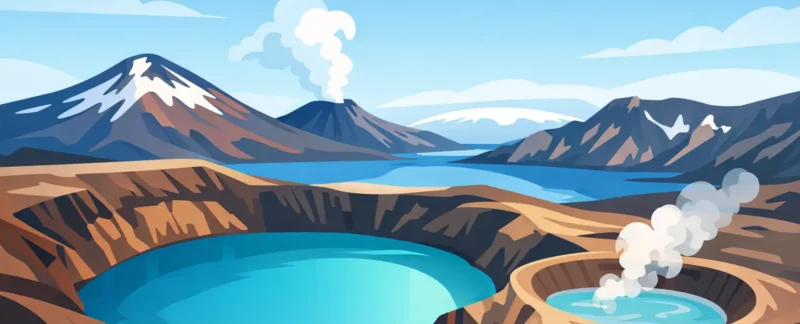
This is an active volcanic system in the Icelandic Highlands, and the landscape carries that story clearly. The caldera is stark and powerful rather than lush or cozy. Nearby, the Víti explosion crater holds a milky blue lake that looks almost unreal against the darker volcanic ground. The contrast is striking, especially on a calm day when the light is clear.
There is also a sense of scale that photographs do not always capture well. Askja feels big, exposed, and far from everything. That remoteness is part of its appeal. Travelers who enjoy places that feel raw and unpolished often connect with Askja more deeply than with Iceland’s more crowded sights.
It also has cultural and scientific significance. This is a landscape that has drawn geologists, adventurers, and curious travelers for generations. You do not have to be an expert to appreciate it, but if you like understanding how Iceland was formed, Askja gives you a very direct look at that story.
When Askja is absolutely worth it
Askja tends to be most rewarding for a few types of travelers.
If you love volcanic landscapes, this is one of the strongest day trips in the north and northeast when conditions allow. If you are a photographer, the textures, colors, wide views, and changing light can be excellent. If you have already seen waterfalls, black sand, and the more accessible highlights around Iceland, Askja offers something with a very different mood.
It is also a good choice for travelers who want a private, flexible experience rather than a fixed group schedule. A place like this benefits from local judgment. Road conditions can change, weather can shift, and the pace of the day matters. Some guests want extra time to walk and photograph. Others want more context about eruptions, terrain, and local history. Askja works best when the day can adapt to the people in the vehicle.
For older travelers or visitors who are unsure about highland driving, Askja can still be worth visiting if someone else is handling the logistics. That often changes the day completely. Instead of worrying about river crossings, rough roads, and route decisions, you can focus on the landscape.
When Askja may not be worth visiting
There are a few honest reasons to skip it.
If you get carsick easily, the rough highland roads may wear you down. If you dislike long travel days, Askja can feel demanding. If your idea of a great Iceland day includes frequent cafés, easy restrooms, and several different attractions packed together, this is probably not your best match.
Askja is also not ideal for travelers who want certainty in every detail. Highland travel depends on road openings, snow conditions, weather, and timing. Even in summer, flexibility matters. Sometimes the best decision is to go. Sometimes the smart decision is to choose a different route.
And while the walk to the main viewpoint is manageable for many people, it is still a real walk in an exposed environment. You do not need to be an athlete, but you should be comfortable on uneven ground and prepared for wind and changing weather.
The road to Askja matters more than people think
One reason people ask, “is Askja worth visiting,” is because they are really asking whether the effort pays off.
That is a fair question. Askja is not just about arriving, taking a few photos, and leaving. The journey through the highlands is long and part of what gives the destination its meaning. On a good day, that road feels like a gradual shift into another version of Iceland – less visited, less softened, and more elemental.
On a difficult day, it can simply feel long.
This is why expectations matter. If you know in advance that Askja is a full experience rather than a quick stop, you are much more likely to enjoy it. People who arrive expecting convenience can be disappointed. People who arrive wanting remoteness usually leave very happy.
Best time to visit Askja
Askja is generally a summer-access destination. The access roads into the highlands are seasonal, and the opening window depends on snowmelt and conditions each year.
Even during the accessible season, weather plays a big role. A clear day can make the landscape feel sharp, spacious, and unforgettable. Low cloud, heavy wind, or rain can change the mood completely. That does not always make the trip bad, but it does make it more serious.
This is one of those Iceland destinations where local advice is worth listening to. Conditions on paper and conditions on the ground are not always the same thing.
Is Askja worth visiting compared with Lake Mývatn or the Diamond Circle?
It depends on what kind of day you want.
Lake Mývatn offers variety, easier access, and a rich mix of geothermal areas, lava formations, and history. The Diamond Circle gives you dramatic sights with less commitment to rough-road travel. Both are excellent options, especially for first-time visitors or anyone who wants a fuller day with more stops and less uncertainty.
Askja is different. It is more singular. More remote. More about immersion in one powerful landscape than about collecting several landmarks in a day. Some travelers find that more meaningful. Others prefer the variety and comfort of the better-known routes.
Neither choice is more correct. It is a question of temperament.
Who should consider a guided Askja day
Askja is one of the clearest examples of when a guided day can make real sense, not just for convenience but for peace of mind.
The roads are rough, conditions can change, and there is value in traveling with someone who knows how the day should flow. A local guide can also help translate what you are seeing. Without context, Askja can feel like a striking but empty volcanic basin. With context, it becomes a much richer place – a story of eruptions, landscape change, isolation, and how people relate to Iceland’s interior.
For private travelers, there is another benefit: flexibility. If the weather shifts, if walking pace is slower, if you want more time for photography, or if a different route makes more sense that day, the experience can adjust. That matters in the highlands.
At Kip, Askja is the kind of tour we approach with respect for the conditions and for the guests in the vehicle. Some people want the geology. Some want the silence. Some just want to see a part of Iceland that feels farther away from the usual route. All of those are good reasons.
So, is Askja worth visiting? Yes, if you are drawn to remote volcanic landscapes and you understand what the day asks of you. It is not Iceland at its easiest, but it is very much Iceland at its most memorable. If that is what you came for, Askja has a way of staying with you long after the dust is off your boots.